allisles.com
Bonaire
allisles.com
Bonaire

Bonaire: Complete Caribbean Travel Guide
Visa Free
Last updated:
Quick Facts
- Visa Required: No (visa free for most nationalities)
- Currency: US Dollar (USD)
- Language: Dutch, Papiamento, English, Spanish
- Best Months: January through June
- Average Temperature: 28.3°C (83°F)
- Nearest Airport: Flamingo International Airport (BON)
- Timezone: America/Kralendijk
About Bonaire Overview
Best forAll travelers seeking authentic Caribbean experiences without crowds
Bonaire sits in the ABC Islands of the Kingdom of the Netherlands in the southern Caribbean. This small island covers just 288 square kilometers with a population of around 25,000 people. The Bonaire overview reveals a destination focused on conservation and sustainable tourism. Unlike many Caribbean islands, Bonaire has maintained its natural beauty and small-town charm.
The island sits at coordinates 12.1784°N, 68.2385°W, placing it south of the hurricane belt. This location makes it one of the most stable Caribbean destinations year-round. Bonaire uses the US dollar as its official currency, making money management simple for American travelers. The official languages include Dutch, Papiamento, English, and Spanish. Most residents speak multiple languages, and English speakers find communication easy throughout the island.
Bonaire earned recognition as a world-class diving destination. The entire island is a marine protected area. Divers can access hundreds of dive sites directly from shore. The island's commitment to environmental protection sets it apart from other Caribbean options. You will find pristine coral reefs, colorful fish, and abundant marine life just steps from the beach.
Why Visit Bonaire
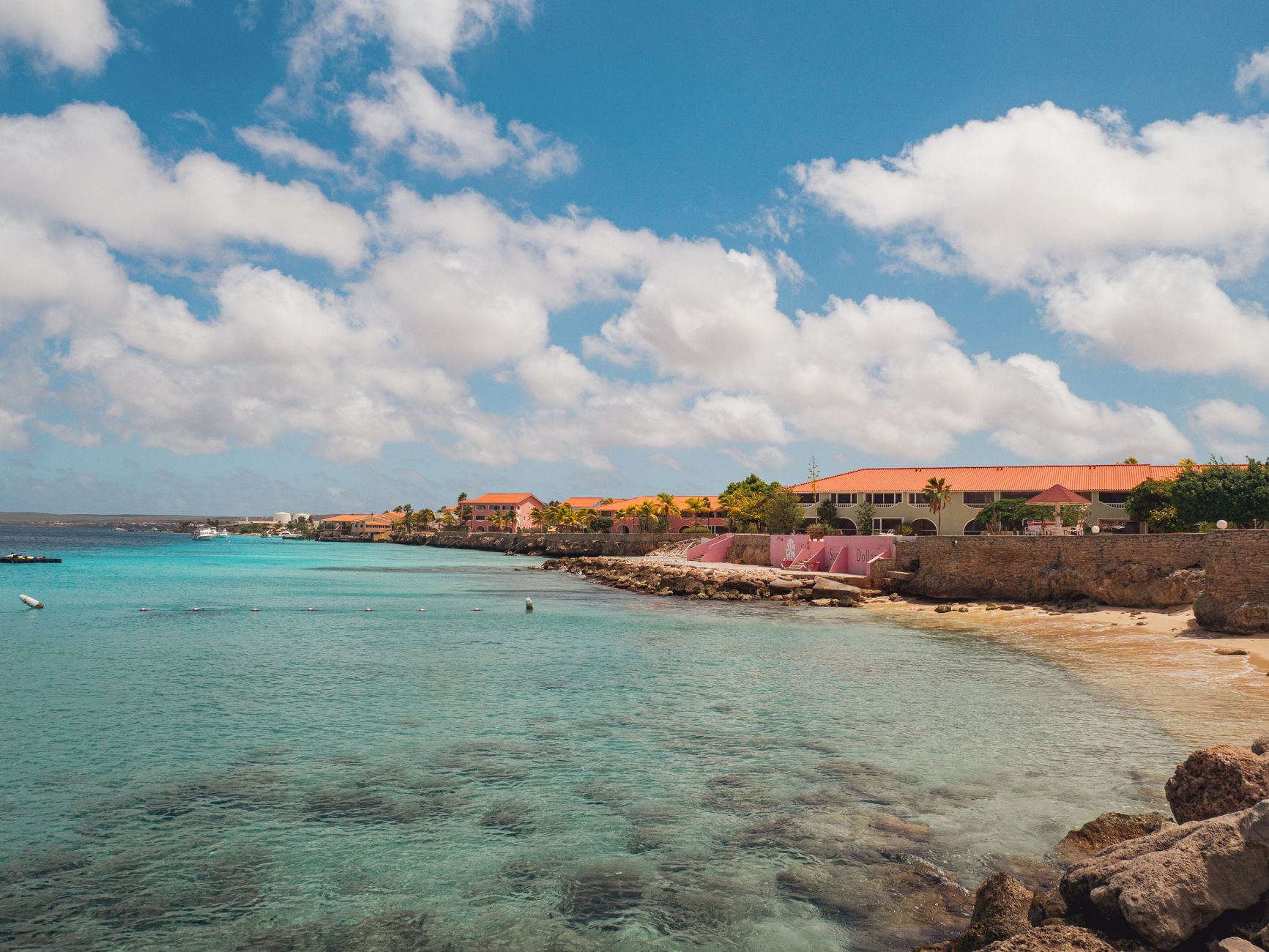
Best forDiversnature loversand travelers seeking quieter Caribbean experiences
Bonaire offers experiences you cannot find on crowded Caribbean islands. Shore diving opportunities here are exceptional and accessible to all skill levels. You need no boat to reach incredible reef systems. Walk into the water from the beach and start exploring within minutes. This convenience attracts divers from around the world.
The island's commitment to conservation creates an unspoiled natural environment. Bonaire National Marine Park protects the entire reef system surrounding the island. Local authorities enforce strict environmental regulations. You will notice the difference in water quality and marine life abundance immediately. The reefs here show vibrant health compared to degraded Caribbean sites.
Beyond diving, Bonaire offers quiet beaches and authentic local culture. The island has not become overdeveloped like some Caribbean destinations. You will encounter friendly locals who take pride in their community. Small villages retain traditional character and hospitality. food-Restaurants serve fresh local seafood and international cuisine. The pace of life moves slowly, perfect for travelers seeking relaxation.
Bonaire provides excellent value compared to other Caribbean islands. Your US dollars stretch further here. Accommodation ranges from budget guesthouses to luxury resorts. Food costs remain reasonable at local markets and restaurants. Activities like diving and snorkeling cost less than competing destinations. Budget travelers and luxury visitors both find good options.
PRO TIP: Book dive sites and accommodations in advance during peak season (January to March). Many lodges fill completely months ahead. Off-season rates (April to November) offer significant savings.
Bonaire for Families
Best forFamilies with children of all ages seeking interactive experiences
Bonaire welcomes families with children of all ages and abilities. The island offers activities beyond diving that appeal to everyone. Families find gentle beaches perfect for young swimmers. Kralendijk, the main town, has shops, restaurants, and services within easy reach. Hotels and resorts provide family-friendly accommodations and facilities.
Beach time is a primary family activity on Bonaire. Pink Beach offers calm, shallow waters ideal for small children. Sorobon Beach has facilities including shaded areas and food vendors. Many public beaches have no entrance fees. Families can spend entire days swimming, building sandcastles, and relaxing. The warm water temperature stays comfortable year-round.
Snorkeling appeals to families with older children. Shallow reefs near shore mean kids can snorkel without deep water experience. Fish and corals create magical underwater experiences. Parents can snorkel alongside children without complex diving certifications. Equipment rental shops throughout the island provide child-sized masks, fins, and snorkels.
Land-based activities entertain children on beach days. Bonaire National Marine Park visitor center offers educational exhibits. Local guides lead mangrove tours suitable for families. Bird watching opportunities appeal to nature-loving families. Goat herds roam freely on the island, fascinating young travelers. The Bonaire Museum tells local history in interactive ways.
Food options accommodate family preferences. Restaurants offer familiar meals alongside local specialties. Fresh tropical fruits fill local markets. Grocery stores stock international brands for pickier eaters. All-inclusive resorts simplify meal planning with set packages. Most accommodations include kitchen facilities for families preferring self-catering.
Bonaire for Couples

Best forRomantic getaways and couples seeking adventure together
Bonaire creates ideal conditions for couples' vacations. The island combines adventure, relaxation, and romance. Shared diving experiences strengthen relationships through exciting exploration. Many couples take their first diving certification course together on Bonaire. Dive shops offer couple-friendly training and guided dives.
Sunset experiences provide romantic moments throughout your stay. West-facing beaches display brilliant orange and pink skies nightly. Dining at waterfront restaurants while watching sunsets creates memorable evenings. Many couples enjoy picnic dinners on secluded beaches. Stargazing on clear nights reveals an incredible array of stars.
Intimate accommodations range from beachfront villas to luxury resorts. Small hotels offer personalized service and quiet settings. Some properties feature private beach access and romantic amenities. Sunset-view rooms allow morning and evening sky watching from your space. Spa services and massage treatments help couples unwind together.
Hiking adventures appeal to active couples. Trails lead through dry forests and to scenic overlooks. Christoffel Park on nearby Curaçao offers day trip hiking options. Couples can explore at their own pace without crowds. These activities create shared memories and accomplishment.
Dining experiences range from casual beachside restaurants to upscale establishments. Local chefs prepare fresh seafood daily. Many restaurants feature candlelit tables and ocean views. Cooking classes teach couples to prepare local dishes. Wine selections at restaurants cater to various budgets and preferences.
PRO TIP: Plan at least one night dive or sunset dive with your partner. The underwater world transforms under different lighting. Local dive operators excel at creating romantic dive experiences.
Bonaire for Solo Travelers
Best forIndependent adventurers seeking community and personal growth
Solo travelers find Bonaire safe, welcoming, and easy to navigate independently. The island's small size means you can explore everything without feeling isolated. English speakers will have no trouble communicating with locals and other travelers. The absence of large crowds creates a relaxed, friendly atmosphere. You can engage with other travelers at dive shops and accommodations.
Diving communities on Bonaire attract solo adventurers from worldwide. Dive shops schedule regular group dives where you will meet like-minded travelers. Many solo divers take their certification courses here. The shared experience of learning to dive creates instant friendships. Dive lodges organize social events and group dinners.
Budget accommodations suit solo travelers well. Guesthouses and smaller hotels cost less than large resorts. Shared accommodations connect you with other independent travelers. Dormitory-style rooms exist at several locations. Many solo travelers extend their stays as they build friendships and settle into island rhythm.
Walking Kralendijk allows independent exploration of local shops and restaurants. The town center is compact and pedestrian-friendly. You can easily discover local favorites at small eateries. Markets sell fresh produce, snacks, and souvenirs. Walking tours through neighborhoods reveal authentic island life.
Solo activities include self-guided snorkeling, reading on beaches, and photography. You set your own schedule without compromising with travel companions. Many solo travelers appreciate the freedom to pursue personal interests. Journal writing and meditation spaces exist throughout the island. The quiet island atmosphere encourages self-reflection and personal time.
Best Time To Visit Bonaire

Best forAll travelers seeking optimal weather and conditions
Bonaire's best travel months run from January through June. These months offer consistently dry weather and calm seas. Average temperatures hover around 28.3°C (83°F) throughout the year. January and February bring cooler, more comfortable conditions. March through June see gradually warming temperatures with occasional afternoon showers.
High season peaks from January through March when weather is nearly perfect. Expect clear skies, calm waters, and excellent visibility for diving. Winds remain light during these months. Hotels and dive shops fill quickly during peak season. Book accommodations and dive packages months in advance. Prices increase during high season.
April through June represent shoulder season with excellent conditions and fewer crowds. Water temperatures warm to comfortable levels for extended underwater time. Occasional afternoon rain showers cool the air and green the landscape. Hotels offer better availability than peak season. Prices drop significantly during shoulder months. Divers still experience exceptional visibility.
July through December represents off-season with distinct characteristics. Hurricane season officially runs June through November, though Bonaire sits south of the main belt. The island experiences rain during these months, primarily afternoon showers. Afternoon storms typically pass quickly. Fewer tourists mean shorter dive lines and lower accommodation prices. Experienced divers often prefer off-season for solitude.
Water temperatures peak during off-season months, reaching 29°C or higher. Thermal protection suits become optional for many divers. Tropical vegetation thrives with increased rainfall. Bird watching improves during these months with migratory species present. Budget travelers benefit from significantly reduced rates.
Getting To Bonaire
Best forAll travelers planning their arrival and departure
Flamingo International Airport (BON) serves as your arrival point on Bonaire. The airport lies just north of Kralendijk in a convenient location. Most visitors fly into BON directly or connect through other Caribbean hubs. Miami, Fort Lauderdale, and Curaçao offer frequent flight connections. Airlines serving BON include major international carriers and regional operators.
Air travel represents the only practical way to reach Bonaire from North America. Flight times from the United States average 4 to 6 hours including connections. Direct flights from some US cities operate seasonally. Connecting flights through Curaçao typically take longer but offer flexibility. Check airline websites for current flight schedules and pricing.
Ground transportation from the airport requires planning. Rental cars provide independence for exploring the island. You can rent vehicles directly at the airport. Driving follows the right side of the road with familiar traffic patterns. Main roads are well-maintained, though some secondary roads remain unpaved. International driving permits are recommended though US licenses generally work.
Taxi services operate from the airport to your accommodation. Negotiate prices before entering the taxi. Official taxi rates exist, though some drivers may quote higher prices to tourists. Ride-sharing services provide another transportation option. Hotel transfers can be arranged in advance through your accommodation.
Visa requirements favor most international travelers. Most nationalities enter visa-free for tourism purposes. Caribbean Netherlands entry policy applies to Bonaire. Check your specific nationality's requirements before booking. The island welcomes visitors from major countries including the United States, Canada, and European nations. Processing remains simple and straightforward at the airport.
PRO TIP: Exchange money at your bank before arriving or use airport ATMs. ATMs accept major credit cards and provide USD directly. Airport money exchange rates are fair. Avoid exchanging at hotels where rates may be unfavorable.
Practical Information for Your Bonaire Overview

Money and Budgeting
The US dollar is Bonaire's official currency, eliminating exchange rate concerns. ATMs are widely available throughout Kralendijk and major resort areas. Credit cards work at most restaurants, hotels, and dive shops. Cash remains useful at small local restaurants and markets. Tipping follows US conventions of 15 to 20 percent at restaurants.
Budget travelers can visit Bonaire affordably compared to other Caribbean destinations. Guesthouses cost significantly less than resort properties. Local restaurants offer meals for reasonable prices. Grocery shopping at supermarkets reduces food expenses. Free activities include beach time, walking tours, and snorkeling at public beaches.
Luxury travelers find excellent high-end options on Bonaire. Upscale resorts offer premium accommodations and services. Fine dining restaurants serve international cuisine prepared by skilled chefs. Private dive guides and custom experiences cater to wealthy visitors. Spa treatments and wellness services are available at resorts.
What To Pack
Pack light, breathable clothing for warm tropical weather. Cotton and moisture-wicking fabrics work best. A light rain jacket handles occasional showers. Reef-safe sunscreen is essential and readily available. Bring or purchase a rash guard for sun protection while diving and snorkeling.
Dive equipment varies by skill level and preference. Beginners can rent all necessary gear at dive shops. Experienced divers often prefer personal equipment. Underwater camera equipment enhances your diving experience. A waterproof bag protects personal items at the beach.
Comfortable walking shoes work for exploring Kralendijk and trails. Sandals suit beach environments. Reef shoes protect feet from sharp coral and rocks. A hat or cap provides sun protection during daytime activities. Sunglasses reduce glare from water and sand.
Getting Around the Island
Rental cars provide the best independence for island exploration. Several car rental companies operate at the airport and in town. Vehicles range from economy cars to SUVs. Rates vary seasonally with discounts during off-season months. A full tank of fuel costs approximately the same as in the United States.
Public buses operate on set routes around the island. Buses are inexpensive and provide local experience. Schedules can be irregular, so ask locals for accurate timing. Most dive sites are accessible by car or short walks. Taxis provide point-to-point service but cost more than car rental for multiple trips.
Dining Options
Bonaire offers diverse dining from casual to fine dining. Seafood features prominently on most menus. Local dishes include dishes with goat, fish, and tropical fruits. International cuisine serves visitors preferring familiar foods. All-inclusive resorts offer unlimited meals and drinks.
Kralendijk has the largest restaurant concentration. Waterfront dining provides ocean views. Local restaurants in neighborhoods offer authentic experiences. Food trucks serve quick meals at reasonable prices. Grocery stores stock fresh produce for self-catering visitors.
Frequently Asked Questions
Is Bonaire Safe for Tourists?
Bonaire maintains an excellent safety record for tourists. Violent crime against visitors is extremely rare. Standard travel precautions apply like keeping valuables secure and avoiding isolated areas at night. The local police presence is visible and responsive. Resort areas and tourist zones are particularly safe. Most visitors report feeling secure throughout their stay. The island's small size and tight-knit community contribute to overall safety and friendly atmosphere.
Do I Need a Diving Certification To Explore Bonaire?
Certified divers can explore independently or join guided dives. Uncertified swimmers can participate in shallow snorkeling without certificates. Dive shops offer certification courses lasting three to four days. Many visitors obtain their first certification during Bonaire stays. Open Water certification from a reputable organization enables lifelong diving opportunities. Snorkeling requires no certification and offers excellent marine life viewing without equipment complexity.
What Are the Best Dive Sites for Beginners?
Shallow reef sites near Kralendijk suit beginners perfectly. Sites like Aquarius and Fisheye offer depths of 5 to 12 meters. Visibility typically exceeds 25 meters in these areas. Colorful fish and coral appear at shallow depths. Professional dive operators position beginners at ideal learning locations. Many beginner dives occur on the leeward side with calm water conditions. Local guides know each site's best features and current conditions.
How Much Does Diving Cost on Bonaire?
Single boat dives cost between fifty and eighty US dollars. Dive packages with multiple dives offer discounts. Equipment rental costs additional money, though many resorts include gear. Certification courses range from three hundred to five hundred US dollars. Shore diving is free except for park fees of minimal amounts. All-inclusive dive packages combine accommodation and daily diving. Group discounts apply to larger dive parties.
Can Families With Young Children Enjoy Bonaire?
Bonaire welcomes families with young children through beaches and shallow snorkeling. Pink Beach and Sorobon Beach have calm, shallow water perfect for small swimmers. Snorkeling gear comes in child sizes for comfortable exploration. Kid-friendly restaurants exist throughout the island. All-inclusive resorts offer childcare and kids' clubs. Activities like kayaking and nature walks suit various ages. The island's small size makes navigation with children manageable.
Related Pages on Bonaire
Islands Near Bonaire