
Last updated:
Bonaire Scuba Diving Overview
Bonaire offers some of the Caribbean's finest scuba diving experiences. This island nation sits in the ABC Islands, just off the coast of Venezuela. You can dive shore sites immediately from the beach. The reef system surrounds the entire island like a natural wall. Bonaire scuba diving attracts divers from around the world every year.
The island welcomes beginners and experienced divers equally. You don't need a boat to reach incredible dive spots. Most dive sites start in shallow water and drop to deeper zones. The marine protected area covers the entire island. This protection means the reefs thrive with healthy coral and abundant fish.
Bonaire receives visitors year-round because the weather stays warm. The ABC Islands location means you skip hurricane season concerns. Flamingo International Airport connects you to the mainland quickly. Entry is easy since most nationalities need no visa. The local currency is the US dollar, simplifying financial transactions.
Best Dive Sites in Bonaire
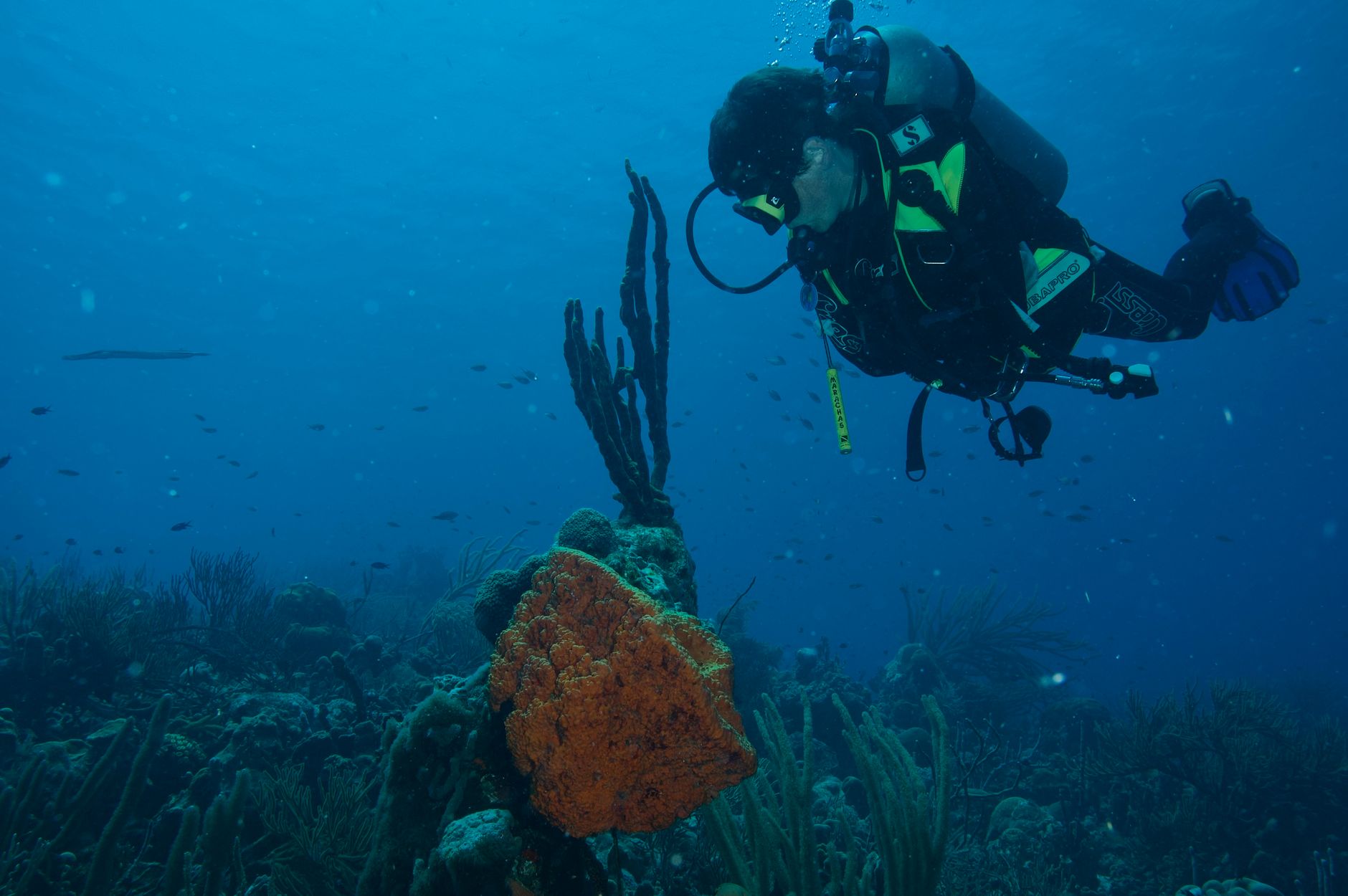
1000 Steps Beach sits on the northern coast of Bonaire. The name comes from the long staircase leading down to the water. This site offers a dramatic descent into deeper waters. You start in shallow reef and descend past colorful formations. Moray eels and octopuses hide in the rocky crevices here.
Barcadera features a wreck and thriving reef system together. An old freighter sits on the bottom in 20 meters of water. The wreck attracts large groupers and barracuda. The surrounding reef connects to the wreck perfectly. Strong currents sometimes flow through this site, adding excitement.
Klein Bonaire is a small island just offshore from the main island. The eastern wall drops dramatically to the deep blue. You see massive coral heads and schools of large fish. Turtles frequently appear along the slope. Visibility often exceeds 30 meters on calm days.
Accessibility Reef earned its name because it welcomes all skill levels. The gentle slope makes navigation simple and safe. Thousands of small fish hover above the coral formations. Sea grass beds attract manatees and rays. This site rarely has strong currents or dangerous conditions.
Buddy Dive Resort Reef connects directly to a popular resort. The reef wall rises from 12 meters to just 3 meters. Brain corals larger than cars dominate the landscape. You spot nursery groupers and jacks hunting together. Night dives here reveal octopuses and sleeping fish.
La Machaca means "the wreck" in Spanish. A tugboat rests on the sand in 15 meters of water. Corals have grown around the metal structure beautifully. The site works well for photographers wanting unique compositions. Lobsters and crabs nest inside the wreck at night.
PRO TIP: Arrive at shore dive sites early in the morning. Early dives mean calmer water and fewer divers. Afternoon wind often stirs up the surface. Park at the main entrance and check the dive board for current conditions.
Scuba Diving for Beginners in Bonaire
Beginning your scuba diving journey in Bonaire offers perfect conditions. The island has gentle entry points and shallow practice areas. Most beginner sites sit in 5 to 12 meters of water. You can see the surface easily and manage your buoyancy without fear. The reef system provides walls, slopes, and flat areas for learning.
Beginner-Friendly Sites
Accessibility Reef tops the list for new divers. This site has a gradual slope with no sudden drop-offs. Coral formations start in shallow water and gradually increase in depth. You can return to the beach anytime during your dive. The water stays calm most days with minimal current.
Hilma Hooker is a famous wreck in shallow water. The ship sits upright in just 12 meters of water. New divers can explore the outside structure safely. The wreck provides interesting shapes and hiding spots for fish. You feel like an explorer without dangerous depths.
Sandy's Shallow Reef features sand and scattered coral formations. You start in 3 meters and can descend to 8 meters if you choose. Sand feels stable under your fins when you practice hovering. Small fish investigate you constantly, making observations fun. This site rarely has currents that push beginners around.
Getting Your Certification
Bonaire offers excellent certification courses at reasonable costs. The PADI Open Water Certification takes 3 to 4 days. You complete classroom work, confined water training, and open water dives. Local instructors know the best beginner sites intimately. Many instructors speak multiple languages, making communication easy.
The certification process includes theory lessons you study at your own pace. Then you practice skills in shallow water with an instructor. Finally, you complete 4 open water dives to demonstrate competence. Each day involves classroom time, training dives, and rest periods. You receive your certification card once you pass all requirements.
PRO TIP: Take your certification course before arriving in Bonaire if possible. Many dive shops offer online theory modules. You'll skip classroom time and dive more when you arrive. This approach saves money and maximizes your underwater time on the island.
Snorkeling in Bonaire

Snorkeling in Bonaire provides incredible marine life viewing without scuba certification. You need just a mask, fins, and snorkel to explore. The reefs start immediately from many beaches. Fish swim within arm's reach of the water surface. You'll see colors and creatures that rival deeper diving experiences.
Top Snorkeling Locations
Flamingo Beach sits near the capital city of Kralendijk. The reef begins just 20 meters from shore. Colorful parrotfish and surgeonfish feed on the coral. You can wade in gradually without jumping from a boat. Beach facilities and food-restaurants are nearby for convenience.
Bapor Beach offers easy access to thriving reef sections. The sandy entry makes getting in and out simple. You immediately encounter schools of jacks and snappers. Small turtles sometimes drift through looking for food. The reef stays shallow enough for comfortable snorkeling depths.
Pink Beach got its name from tiny pink shells covering the sand. The water clarity here is exceptional most days. You see the reef structure clearly from the surface. Rays glide across the bottom searching for meals. The beach area remains less crowded than other snorkeling spots.
Bonaire National Marine Park protects all snorkeling and diving areas. Anchoring on reefs is illegal to prevent damage. The marine park charges a daily fee for snorkeling access. This fee supports reef maintenance and conservation efforts. The investment keeps the reefs healthy for future visitors.
Snorkeling in Bonaire requires minimal equipment. A basic mask and snorkel cost less than $20. Local shops rent equipment if you prefer not to bring your own. Most snorkeling sites have no depth limit for safety concerns. You control your experience and dive duration easily.
Fish feeding is illegal in the marine park. The rules protect natural feeding behaviors and fish health. Feeding fish causes dependency and health problems. Respecting these regulations keeps the reef ecosystem balanced. Violators face significant fines enforced by park rangers.
Dive Schools and Operators
Bonaire has several professional dive operators serving different needs. Buddy Dive Resort operates the largest facility on the island. They offer daily boat dives and shore diving instruction. The resort has an on-site dive shop with full equipment rental. Their instructors hold multiple certifications and speak various languages.
Dive Bonaire operates from the Hilton Bonaire resort. They specialize in small group dives with personalized attention. Their guides know every rock and fish on local reefs. They offer courses from beginner to advanced levels. Nitrox diving is available for experienced divers.
Captain Don's Habitat runs both diving and accommodations. They focus on environmentally responsible diving practices. Their staff enforces strict no-touch reef protection policies. They offer unlimited shore diving with equipment rental. The resort includes a small marine museum.
Desert Island Divers provides mobile dive services across the island. They operate from a shop in central Kralendijk. Their guides lead small groups to less-crowded sites. They offer specialty courses like underwater photography. Equipment rental is available at competitive prices.
What to Expect from Dive Operators
All legitimate operators require proof of certification before diving. Bring your certification card when you arrive. If you've lost your card, operators can verify your credentials. First-time divers can take beginner courses immediately. Most shops open around 7 AM and close by 5 PM.
Equipment rental typically includes wetsuit, tank, and BC. Regulators and computers rent separately if needed. Dive computers are highly recommended for safety. Most operators charge rental fees per day or per dive. Multi-day packages offer better rates than single dives.
Dive briefings happen before every excursion. Guides explain the site, point out hazards, and discuss wildlife. They brief you on entry and exit procedures. Safety signals are reviewed if divers are unfamiliar with each other. Most briefings last 10 to 15 minutes.
PRO TIP: Book dive services two days in advance. Popular sites fill quickly during peak season. Email or call operators directly for better rates. Booking in advance also ensures equipment availability. Walk-ins sometimes face limited spots and higher prices.
What You Will See Underwater

The underwater world around Bonaire teems with life. Coral species create the foundation of the ecosystem. Brain corals, elkhorn corals, and sea fans dominate the landscape. These formations provide shelter for countless fish species. The reefs remain healthy because of strict marine protection.
Fish Species
You'll encounter hundreds of fish species on every dive. Parrotfish are abundant and come in various bright colors. They munch constantly on coral, creating the white sand. Angelfish patrol the reef in pairs, flashing their yellow and blue stripes. Groupers hide in caves watching for prey fish.
Jacks form large schools that move together like a single organism. Snappers hunt in coordinated packs during feeding times. Trumpetfish hide among coral waiting to ambush unsuspecting meals. Pufferfish slowly drift across the reef inflating when threatened.
Larger Marine Life
Sea Turtles appear regularly on Bonaire's reefs. Green turtles and loggerheads feed on seagrass and jellyfish. They often ignore divers while eating peacefully. Rays glide across the sandy bottom searching for food. Southern stingrays are common, as are spotted eagle rays.
Sharks live on the reefs but rarely encounter divers. Reef sharks and nurse sharks hunt small fish and crustaceans. They avoid humans and show no aggression. Seeing a shark is actually a privilege and exciting moment.
Octopuses and Crustaceans
Octopuses hide in crevices during the day. They change color instantly to match their surroundings. Night dives offer the best chance to observe them hunting. Lobsters emerge from their caves after dark to feed. Crabs of all sizes scuttle across the sandy bottom.
Coral Health and Biodiversity
Bonaire's reefs remain healthier than most Caribbean locations. The strict marine park protection prevents fishing and anchoring damage. Disease and bleaching have affected some coral species. Nevertheless, recovery is visible on most reef sections. Divers play a role by following conservation rules.
The biodiversity rivals tropical rainforests per square meter. Hundreds of species interact in complex relationships. Predators control prey populations naturally. Competition for space creates fascinating survival strategies. Every dive reveals something new about reef ecology.
Best Time To Dive in Bonaire
Optimal Diving Seasons
The best months for Bonaire scuba diving run from January through June. Water temperature stays around 28.3°C during these months. Visibility often exceeds 30 meters on calm days. Wind speeds remain moderate and manageable. Rain falls infrequently, so dry conditions prevail.
January to March sees the most tourists and calmest conditions. The winter season brings excellent visibility and mild ocean swells. This period is ideal for photographers wanting perfect light. Prices increase during this peak season. Book accommodations and dive services early.
April to June offers fewer crowds and still excellent diving. Water conditions remain stable with good visibility. Prices drop slightly as peak season ends. Early summer brings occasional afternoon showers but short duration. These months work well for budget-conscious travelers.
Off-Season Considerations
July through December sees rougher ocean conditions. Trade winds increase wind speeds and create larger waves. Visibility can drop to 15 to 20 meters on windy days. Rain becomes more frequent but still rare overall. The island sits outside the hurricane belt entirely.
Water temperature actually rises during summer months. July and August can reach 29°C or higher. Thermal protection becomes less necessary, reducing costs. Crowds diminish significantly during these months. Local services operate with reduced staff and limited hours.
Weather Patterns and Diving
Trade winds blow consistently from the east most of the year. These winds create larger ocean swells on eastern reefs. Western reefs stay calmer due to island protection. Check wind conditions before choosing dive sites. Local operators adjust site recommendations based on weather.
Rain showers happen briefly but don't stop diving activities. The warm tropical climate means rain doesn't significantly cool the water. Visibility sometimes decreases temporarily after heavy rain. Most showers pass within 30 minutes. Rain stops and sun returns quickly.
The Bonaire Marine Park remains open year-round. No seasonal closures affect diving opportunities. However, some specific sites may be restricted during fish spawning events. Staff post notices about temporary restrictions. These closures help protect breeding populations.
Frequently Asked Questions
Do I Need a Certification To Scuba Dive in Bonaire?
Yes, all dive operators require PADI certification or equivalent. If you're not certified, take a beginner course before visiting. Many shops offer open water certification in 3 to 4 days. You complete theory, confined water training, and open water dives. Once certified, you can dive independently with a buddy. This requirement protects your safety underwater and ensures responsible diving practices.
What Is the Water Temperature in Bonaire Year-Round?
Water temperature averages 28.3°C throughout the year. January to June stays around 26 to 28°C, slightly cooler. July to December reaches 28 to 29°C or higher. A thin wetsuit provides adequate thermal protection most of the year. Winter visitors may prefer a 3mm wetsuit for extra warmth. Summer diving requires minimal thermal protection for most people.
Can I Do Shore Dives Independently in Bonaire?
Yes, certified divers can shore dive independently. However, the buddy system remains essential for safety. Never dive alone at any site. Check conditions before entering and plan your dive carefully. Some sites have strong currents requiring experience and caution. New visitors benefit from guided dives initially to learn local conditions. Operators provide maps showing dive site access points and depth ranges.
How Much Does Bonaire Scuba Diving Cost?
Prices vary depending on dive services chosen. Guided dives typically range from moderate to premium costs. Equipment rental adds to the overall expense. Certification courses represent significant investment upfront. Multi-dive packages offer better rates than single dives. The daily marine park fee applies to all diving and snorkeling activities. Compare rates among operators before booking your dives.
What Should I Bring for Bonaire Scuba Diving?
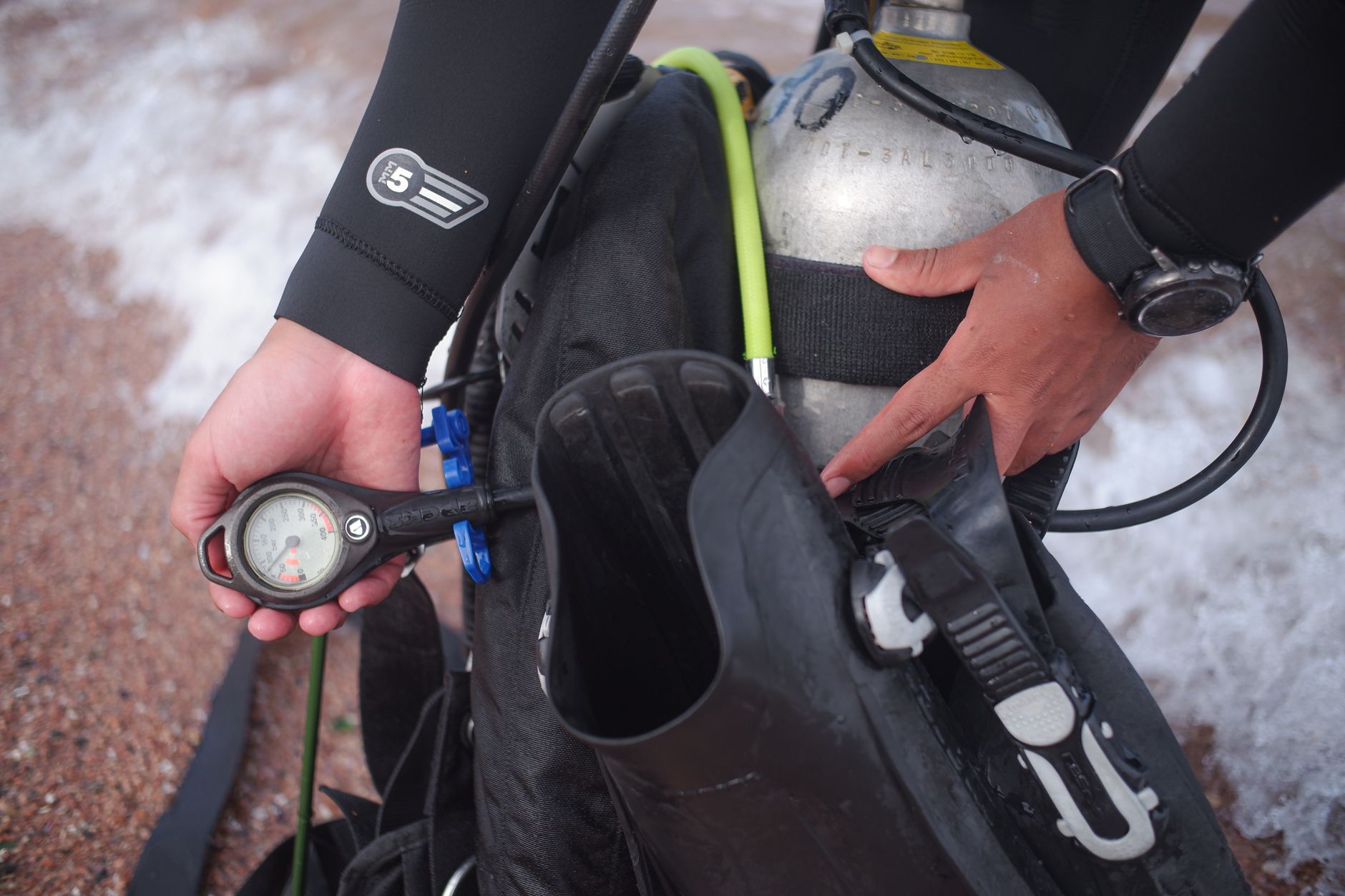
Bring your certification card and a dive log book. Pack a wetsuit or thermal protection appropriate for your plans. Bring medications, sunscreen, and insect repellent. Carry a flashlight for night dives and dark reef areas. A dive computer ensures safe depth and time management. Consider bringing an underwater camera for memorable photos. Most equipment can rent from local shops if needed.