
Last updated:
Bonaire offers visitors incredible Bonaire things to do for every type of traveler. This island in the ABC Islands (Kingdom of the Netherlands) sits 288 square kilometers in size with just 25,000 residents. The small population means you'll find uncrowded beaches, peaceful diving sites, and authentic local experiences. Whether you seek adventure, relaxation, or family fun, Bonaire delivers world-class attractions without the tourist crowds.
The island's position in the southern Caribbean provides consistent warm weather and excellent conditions for water activities. English speakers will find communication easy, as locals speak Dutch, Papiamento, English, and Spanish. The US Dollar is the official currency, which simplifies travel for American visitors. Flamingo International Airport connects you to the island with regular flights from nearby islands and the mainland.
Best Beaches in Bonaire
Bonaire's beaches showcase pristine sand and calm waters ideal for swimming and relaxation. Pink Beach lives up to its name with distinctive pink-tinted sand created by tiny red organisms and coral fragments. The beach sits on the island's south side and offers excellent snorkeling right from the shore. Pink Beach attracts visitors seeking unique natural scenery and easy water access. The pink color intensifies in afternoon sunlight, making it perfect for photography.
Flamingo Beach provides the island's most popular swimming spot with soft white sand and shallow turquoise water. Located near the airport, it offers easy access and good facilities. The beach has lifeguards, restrooms, and food vendors, making it ideal for families. Young children enjoy the protected shallow area, while adults appreciate the peaceful atmosphere. Flamingo Beach remains less crowded than Caribbean beaches on larger islands.
1000 Steps Beach earned its name from the staircase descending to the shore. Despite the name, only 67 steps actually lead down. The beach features a dramatic rocky entrance that separates it from crowds. Divers and snorkelers love 1000 Steps for immediate deep water access. The unique landscape and excellent marine life make it worth the short walk.
Windsock Beach offers calm waters protected by a barrier reef. The beach sits near the airport and features golden sand and shallow entry. Windsock works well for families with young children and visitors seeking sheltered swimming conditions. The beach name comes from the nearby airport windsock visible from the shore.
Sorobon Beach provides a natural salt pond atmosphere with mangroves lining the shore. The brackish water feels warmer than ocean water, creating a unique sensory experience. Windsurfing enthusiasts frequent Sorobon for consistent trade winds. The remote location means fewer visitors and peaceful surroundings.
Outdoor Activities in Bonaire

Hiking trails crisscross Bonaire's interior, offering desert landscape views and local wildlife encounters. Washington Slagbaai National Park covers 5,600 acres of protected terrain with multiple trails ranging from easy to challenging. The park features dramatic cliffs, salt ponds, and abandoned plantation ruins. Visitors explore at their own pace on marked pathways. Early morning hikes provide the coolest temperatures and best wildlife viewing opportunities.
Birdwatching ranks among Bonaire's premier outdoor activities, with over 200 bird species recorded on the island. The Pekelmeer Flamingo Sanctuary hosts thousands of pink flamingos in their natural habitat. Guided birdwatching tours help visitors spot rare and endemic species. The flamingos congregate in lagoons with high salt content, creating stunning photographic opportunities. Many tours operate early morning when birds are most active.
Bonaire's salt flats offer unique exploration opportunities combining history and natural scenery. Slaves Lake and surrounding salt ponds reveal the island's salt production heritage. The bright white salt mounds contrast dramatically against blue water and bright sky. Visitors walk on narrow paths between ponds and learn about the salt industry's importance to Bonaire's economy. Photography enthusiasts find endless striking compositions.
Kayaking through mangrove forests provides peaceful nature exploration. Kayak tours depart from various beach locations and venture into shallow protected waters. Mangrove roots create natural nurseries for fish, crabs, and other marine creatures. Guides explain the ecosystem while paddlers navigate quiet channels. No experience necessary for calm water kayak adventures.
PRO TIP: Visit Washington Slagbaai National Park early morning between 8 AM and 9 AM to avoid crowds and heat. Bring plenty of water, sunscreen, and wear sturdy hiking boots. Park entry costs approximately $5 USD per person.
Water Sports in Bonaire
Scuba diving defines Bonaire's reputation as a world-class diving destination. The island has scuba diving as a primary attraction with exceptional reef systems beginning near shore. Many sites require just a short boat ride or beach entry. Divers encounter vibrant coral gardens, colorful tropical fish, and abundant marine life. The warm water and calm conditions suit both beginners and experienced divers.
Shore diving allows easy access to amazing underwater experiences without boat requirements. Simply walk from designated beaches and descend into 60 feet or more of water. The National Marine Park protects reefs and enforces sustainable diving practices. Popular shore dive sites include Yellow Submarine, Buddy's Reef, and Calabas Reef. Divers experience pristine conditions with minimal human impact.
Snorkeling provides accessible water exploration for non-divers and families. Snorkel gear rental is widely available at beach shops and hotels. Shallow reefs near shore offer excellent fish viewing and coral appreciation. Flamingo Beach, Pink Beach, and 1000 Steps Beach provide great snorkeling from the shore. Guided snorkel tours visit deeper reefs and point out rare species.
Windsurfing thrives at Sorobon Beach where consistent trade winds power boards across turquoise water. Multiple operators rent equipment and provide lessons for all skill levels. The protected bay offers ideal conditions for learning without ocean swell interference. Experienced windsurfers challenge themselves in stronger wind conditions. Lessons typically last 2 to 3 hours with certified instructors.
Kitesurfing attracts enthusiasts to Bonaire's windy coastlines. LAguneta Beach and other locations provide ideal conditions for this high-energy sport. Professional instruction ensures safety and skill development. The sport combines extreme athletics with scenic island backdrops.
Things To Do in Bonaire at Night
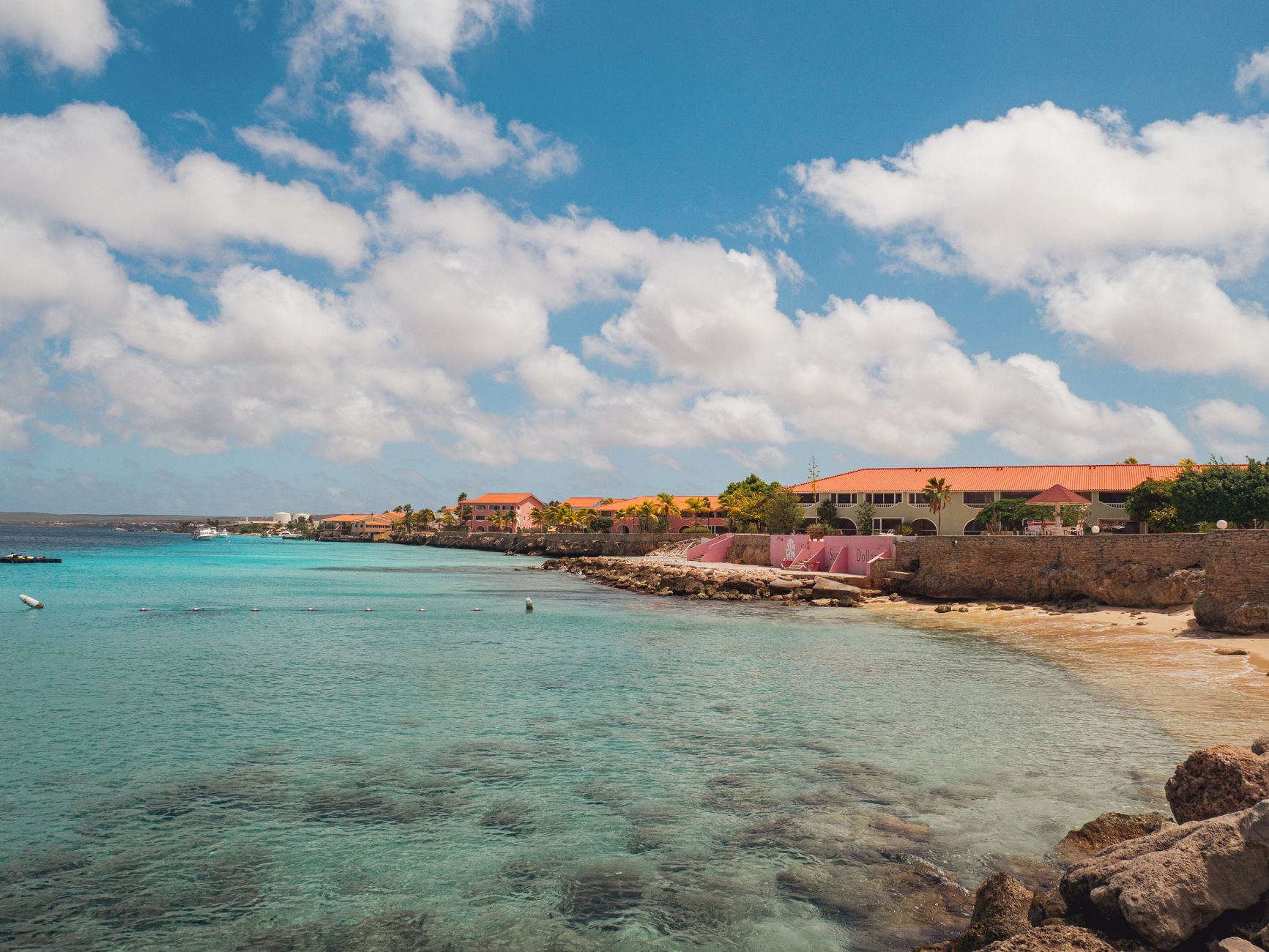
Sunset watching is the perfect evening activity requiring no planning or expense. Watch the sun descend over the western horizon from any beach location. Pink Beach offers particularly beautiful sunset colors reflected in sand. Bring a blanket, snacks, and beverages for romantic or peaceful sunset experiences. The sky displays vibrant oranges, pinks, and purples during the final hour before dark.
Dining out provides cultural exploration and local cuisine tasting. Bonaire's restaurants range from casual beach shacks to upscale establishments. Fresh seafood dominates menus, reflecting the island's maritime heritage. Popular dinner destinations include waterfront restaurants with sunset views. Many restaurants feature live music on weekends, creating festive atmospheres.
Nightlife centers around Kralendijk, the island's main town. Casual bars and lounges offer drinks and conversation with locals and other travelers. Wednesday and Sunday nights feature special events at various establishments. Dance clubs operate late with DJs playing international and local music. The scene remains relaxed and low-key compared to larger Caribbean islands.
Stargazing rewards night owls with pristine dark skies and countless visible stars. Bonaire's minimal light pollution creates exceptional astronomical conditions. Lie on the beach after dark and observe constellations impossible to see elsewhere. Full moon nights illuminate the landscape in silvery light. Visitors often describe stargazing as one of their most memorable experiences.
Beach bonfires occur on some nights at select locations with advance planning. Local guides arrange this experience combining fire, conversation, and local stories. The bonfire creates a gathering point for meeting other travelers and locals. S'mores and refreshments round out the cozy experience.
PRO TIP: Wednesday nights feature special events at various Kralendijk restaurants and bars. Ask your hotel concierge about the week's entertainment schedule. Sunset viewing at Pink Beach offers the most dramatic color display on the island.
Things To Do in Bonaire With Kids
Flamingo Beach provides the safest and most family-friendly swimming environment. The shallow protected water allows young children to play without worry. Lifeguards monitor the beach during daylight hours. Restrooms, changing facilities, and food vendors ensure family comfort. Parents can relax while kids play in the safe environment.
Pekelmeer Flamingo Sanctuary delights children with thousands of wild pink flamingos. The experience teaches kids about wildlife and natural habitats in an engaging way. Guided tours last about one hour and suit various age groups. Children learn about conservation and environmental protection. The bright pink birds create unforgettable visual memories.
Snorkeling adventures introduce kids to marine ecosystems and colorful fish. Shallow reef areas near shore contain abundant tropical fish and coral. Children as young as five can snorkel with adult supervision. The activity combines play with education about ocean conservation. Many kids want to snorkel multiple times during their visit.
Washington Slagbaai National Park's easier trails provide family hiking options. Shorter walking paths avoid strenuous elevation changes. Kids encounter local wildlife including iguanas, birds, and native plants. The park's visitor center provides educational displays about Bonaire's nature and history. Pack picnic lunches and take breaks at shaded overlooks.
Beach activities like sandcastle building, shell collecting, and paddling occupy children for hours. Most Bonaire beaches offer safe, clean conditions for children's play. The calm water and soft sand create ideal conditions. Bring buckets, shovels, and other beach toys for extended entertainment.
Local restaurants often welcome families and provide high chairs and children's portions. Many establishments feature fresh, simple foods kids enjoy. The casual dining atmosphere means children can run around without judgment. Island culture embraces family outings and child-friendly social interactions.
Free Things To Do in Bonaire

Beach time costs nothing and provides hours of enjoyment and relaxation. Bonaire's beaches are public and free to access at all times. Swimming, sunbathing, and wading require no payment or reservations. Pack a picnic lunch and spend full days at your favorite beach. The cost savings add up quickly compared to tourist activities.
Exploring Kralendijk town offers free cultural immersion and local observation. Walk the colorful streets and admire colonial architecture. Stop by the central market square and observe daily island life. Interact with locals at small shops and street vendors. Window shopping costs nothing while building understanding of local commerce.
Hiking Washington Slagbaai National Park requires a park entrance fee, but other trails on public land are free. Several hiking routes cross Bonaire's interior without charge. Explore desert landscapes and spot native wildlife at no cost. Early morning hikes provide the best conditions and most sightings.
Birdwatching requires binoculars but no guide fees. The Pekelmeer Flamingo Sanctuary allows free viewing from certain locations. Bring binoculars and a bird identification book for self-guided exploration. Spot flamingos and other species without paying entrance fees. Patient observation reveals birds that quick tours might miss.
Sunset viewing from any beach combines entertainment with zero expense. The daily spectacle repeats each evening with unique colors and conditions. Bring a blanket, beverage, and snacks for a romantic or peaceful experience. Friends and families gather naturally as the sun descends.
Swimming and snorkeling from public beaches costs nothing and provides excellent marine viewing. Bring your own snorkel gear or rent it cheaply from beach shops. The reef systems start near shore at many locations. This free activity rivals paid snorkel tours for marine life viewing.
Day Trips From Bonaire
Curaçao lies just one hour away by boat and offers distinct cultural experiences. The capital Willemstad features colorful Dutch colonial architecture and vibrant street art. Curaçao's beaches, restaurants, and shops differ from Bonaire's offerings. Day trips operate regularly with ferry service connecting the islands. Many travelers combine both islands in extended Caribbean visits.
Aruba sits within reasonable traveling distance and provides different beach landscapes. The sister ABC island has its own character and attractions. Direct flights connect Bonaire and Aruba with short flight times. Aruba offers shopping, dining, and beach experiences distinct from Bonaire.
Venezuela's coastline lies nearby but travel restrictions limit day trip access. Check current conditions and government travel advisories before considering this option. Most Bonaire visitors focus on local exploration and nearby ABC islands instead.
Klein Bonaire, a small island just offshore, offers excellent snorkeling and diving excursions. Boat transfers take 10 minutes from main island beaches. The uninhabited island features pristine reefs and abundant marine life. Day trips depart daily from Bonaire's main harbor. Return by sunset for dinner in Kralendijk.
PRO TIP: Curaçao day trips are most economical when booked through your hotel concierge. Ferry schedules run most frequently in morning hours. Pack a light bag with sunscreen and a change of clothes. Most travelers find one full day in Curaçao sufficient for main attractions.
Frequently Asked Questions
What Is the Best Time To Visit Bonaire?
January through June offers the best visiting conditions with dry weather and lower temperatures. The hurricane season runs July through November, bringing rain and occasional storms. Diving remains excellent year-round, but calm sea conditions peak during the dry season. Hotel prices are highest from December to April, so budget travelers prefer May and June. These months still provide excellent weather with fewer crowds and lower rates.
Do I Need a Diving Certification To Dive in Bonaire?
Many shore dives and shallow reef explorations suit beginners without certification. However, deepwater diving requires a PADI or equivalent certification. Operators offer certification courses (Open Water and Advanced certifications) over several days. These courses combine classroom instruction with supervised dives in progressively deeper water. Most visitors without experience choose to snorkel instead of pursuing expensive certification courses.
Is Bonaire Safe for Solo Travelers?
Bonaire maintains a safe reputation for solo travelers of any gender or age. Violent crime is rare, and locals welcome visitors warmly. Standard travel precautions apply, such as avoiding flashing valuables and staying aware of surroundings at night. The small island community means most places feel familiar quickly. Solo travelers frequently report having wonderful experiences meeting locals and other visitors.
What Should I Pack for Bonaire?
Lightweight clothing, swimwear, and reef-safe sunscreen are essential items. Bring sturdy shoes for hiking Washington Slagbaai National Park's rocky trails. A light jacket helps in overly air-conditioned establishments. Pack medications and toiletries you prefer, as selection is limited on the island. Snorkel gear is available for rent, but bringing your own ensures proper fit and comfort for extended use.
How Do I Get Around Bonaire Without a Car?
Taxis operate throughout the island, though rates vary by distance and driver. Public minibus transportation serves major routes at low cost. Many hotels arrange transportation for guests to popular attractions. Renting a car, scooter, or ATV provides flexibility for exploring independently. Bonaire's small size means most locations are within short driving distances, making car rentals affordable for multiple days.