Last updated:
Introduction To Bonaire Food and Dining
Bonaire offers a unique food and dining experience that reflects its Dutch Caribbean heritage. The island blends African, European, and Latin American flavors into distinctive local dishes. You'll find everything from casual beachside eateries to upscale restaurants here.
The cuisine centers on fresh seafood, tropical fruits, and authentic Papiamento recipes. Most restaurants use US dollars, making payment simple for American travelers. English speakers will have no trouble communicating at restaurants throughout the island.
Bonaire's small population of 25,000 means dining feels intimate and personal. Restaurant owners often know their regular guests by name. The food scene focuses on quality over quantity, with creative chefs sourcing local ingredients whenever possible.
Whether you want budget street food or fine dining, Bonaire food and dining options suit every preference. The island attracts foodies who appreciate fresh ingredients and authentic preparation methods. Visit during the best months from January to June for ideal weather and full restaurant operations.
Local Food in Bonaire You Must Try
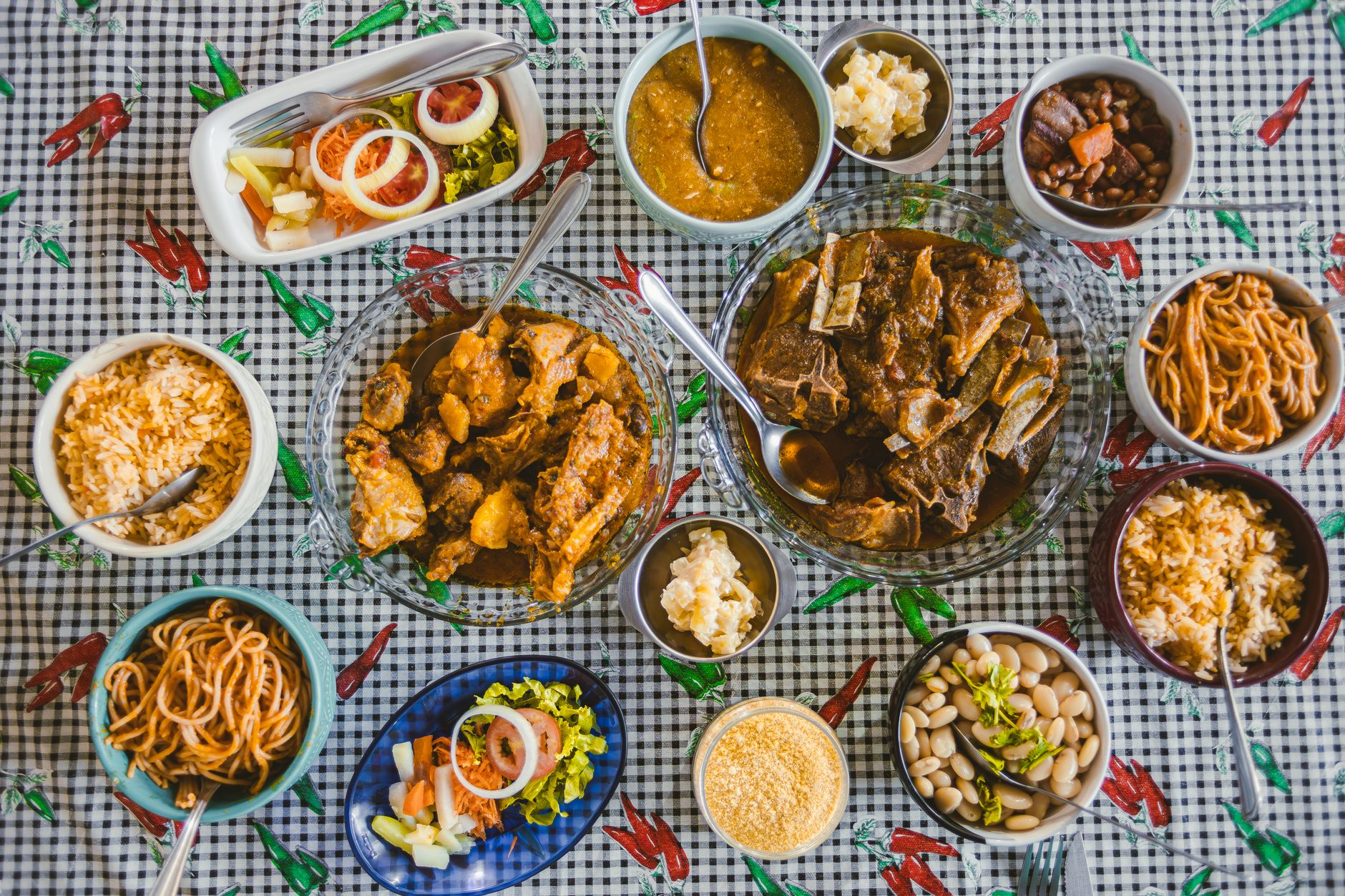
Goat Stew (Stoba di Kabritu) stands as Bonaire's national dish. Local cooks slow cook goat meat with onions, garlic, and tomatoes for hours. The result is incredibly tender and flavorful meat that melts in your mouth. You'll find this hearty dish at almost every local restaurant on the island.
Fish Cakes (Bitterballen di Piska) make perfect snacks or appetizers. Cooks mix shredded fish with spices and bread, then deep fry them until golden. These round or oval-shaped bites deliver crispy exteriors with creamy fish centers. Street vendors and restaurants alike serve them throughout Bonaire.
Conch Salad (Salada di Lambi) showcases the island's seafood heritage. Fresh conch meat mingles with lime juice, onions, bell peppers, and cilantro. This refreshing dish pairs perfectly with the tropical climate. Many beachfront restaurants serve conch salad as a lunchtime specialty.
Funchi resembles Italian polenta but uses cornmeal as the main ingredient. Cooks serve it soft and creamy alongside fish or meat dishes. This simple side dish has sustained Bonairians for generations. Try funchi at traditional family-run restaurants for authentic preparation.
Seafood Soup (Sopa di Piska) warms you with broth, fish, and vegetables. Locals make this soup with whatever fresh catch arrives daily. The flavors change seasonally based on available ingredients. Order a bowl at lunch to experience true island comfort food.
Pastechi are savory pastries filled with cheese, meat, or seafood. The flaky pastry shell crackles when you bite into it. Locals grab these for quick meals and parties. You'll see pastechi at bakeries, markets, and street vendors throughout the island.
PRO TIP: Ask restaurant staff which dishes use ingredients caught that morning. The freshest seafood in Bonaire comes in daily from local fishermen. Timing your visit around morning catches ensures the best quality and flavors.
Best Restaurants in Bonaire
Capriccio Restaurant sits in Kralendijk, the main town. This Italian restaurant offers fresh pasta and seafood specialties. The oceanfront views enhance your dining experience perfectly. Capriccio attracts both tourists and locals with consistent quality and friendly service.
Bario Kitó specializes in Latin American and Caribbean fusion cuisine. The restaurant occupies a colorful colonial building in central Kralendijk. Their ceviche and grilled fish receive high praise from visitors. Open for lunch and dinner, this spot fills quickly during peak season.
Kontiki Beach Resort Restaurant offers beachfront dining with casual atmosphere. You can eat with your toes practically in the sand here. Fresh fish preparations dominate the menu daily. This restaurant works well for families wanting relaxed meals with ocean views.
Abel's Snack Bar serves authentic Bonairian street food in casual settings. The goat stew here rivals any fancy restaurant version. Portions are generous and prices remain very reasonable. Locals frequent Abel's daily, which signals quality and authenticity.
Divi Flamingo Beach Resort Restaurant combines fine dining with beachfront location. The menu changes based on daily fresh ingredient availability. Sunset dining here creates memorable romantic moments. Make reservations ahead, especially during high season months.
Calabas Restaurant & Bar sits in a historic building with character. They serve contemporary Caribbean cuisine with creative preparations. The bar program includes rum cocktails made with Caribbean spirits. Dinner here feels like dining at a friend's stylish home.
PRO TIP: Most restaurants don't open before 11 AM for lunch service. Call ahead during slow season (July through December) to confirm hours. Many chefs take Mondays and Tuesdays off, so plan accordingly for your visit.
Fine Dining in Bonaire
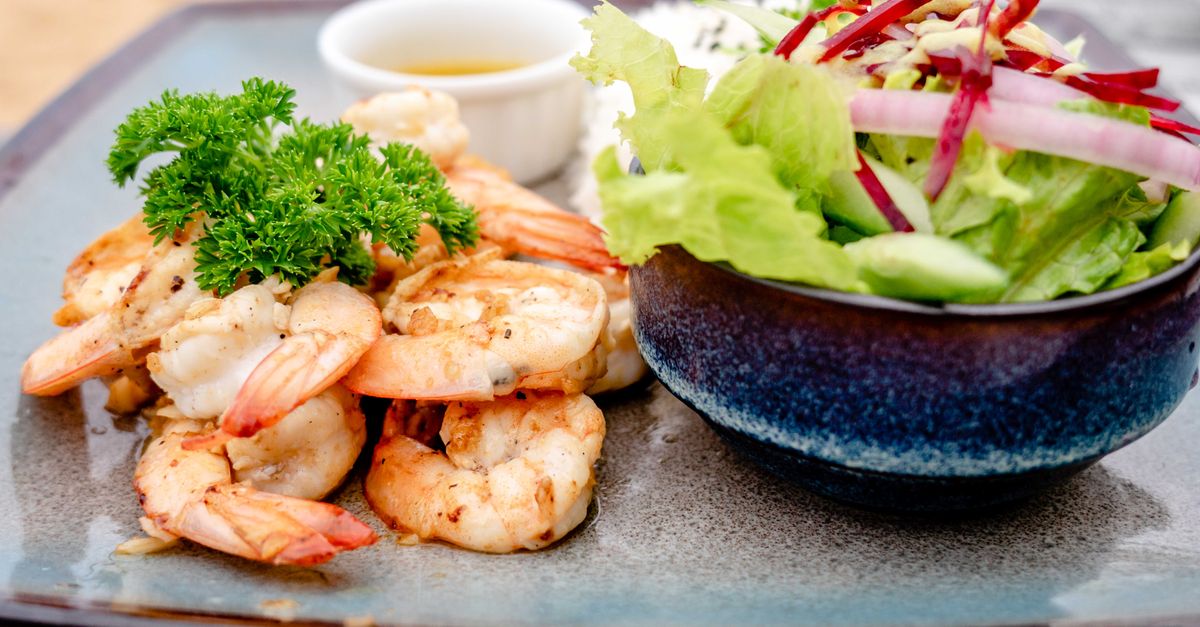
Bonaire offers sophisticated dining experiences that rival larger islands. Divi Flamingo leads the fine dining scene with creative menus. The chef sources fresh fish from local boats daily. Presentations emphasize elegance without sacrificing authentic Caribbean flavors.
Fine dining restaurants in Bonaire typically seat fewer than 50 people. This small scale creates intimate atmospheres perfect for romantic dinners. Many chefs know guests personally and adjust preparations to individual preferences. The service quality feels personalized and attentive throughout your meal.
Calabas deserves recognition as a fine dining option with character. They combine French techniques with Caribbean ingredients expertly. Sunset views from the dining area enhance special evening celebrations. The wine list emphasizes Spanish and South American selections.
Most upscale restaurants require reservations during January through March. Book at least one day ahead to guarantee your preferred seating. Some restaurants offer special tasting menus if you request them in advance. These multi-course experiences showcase the chef's best creations.
Fine dining in Bonaire costs less than comparable restaurants in North America. Entrées typically range from moderate to moderately high prices. The value proposition remains excellent considering ingredient quality and service levels. Dress nicely but not formally for most upscale establishments.
Several resorts feature fine dining that welcomes non-guests. Ask your hotel concierge for recommendations matching your preferences. Many fine dining restaurants sit within walking distance of accommodations. If walking after dark, use the resort shuttle or taxi service for safety.
Budget Eating in Bonaire
Local Snack Bars serve the most affordable meals on Bonaire. A plate of goat stew with funchi costs significantly less than at restaurants. These casual spots feature plastic tables and simple decorations. Order at the counter and eat quickly or take food to go.
Bakeries open early and offer inexpensive pastries for breakfast. Pastechi, coconut bread, and sugar rolls fill bakery cases. A complete breakfast with coffee costs just a few dollars. Bakeries cluster in Kralendijk and remain open weekday mornings.
Fish Vendors sell fresh whole fish at markets and beach locations. Buy fish and prepare meals in your accommodation's kitchen. This strategy cuts dining costs dramatically for longer stays. Ask locals where fishermen sell daily catches near your lodging.
Supermarkets stock reasonable grocery selections for self-catering. ACE supermarket in Kralendijk offers the widest selection. Prices cost slightly more than mainland supermarkets. Fresh fruits and vegetables arrive daily from Venezuela.
Pizza and Fast Food provide casual budget meals throughout Bonaire. Several pizzerias operate in Kralendijk with affordable options. Fast food restaurants cluster near the main commercial area. These options work well for quick lunches between activities.
Happy Hour Specials make appetizers and drinks incredibly affordable. Many bars offer two for one pricing from 4 PM to 6 PM. Appetizer prices drop significantly during these hours. Hotel bars often participate in happy hour promotions.
Street Food and Local Markets
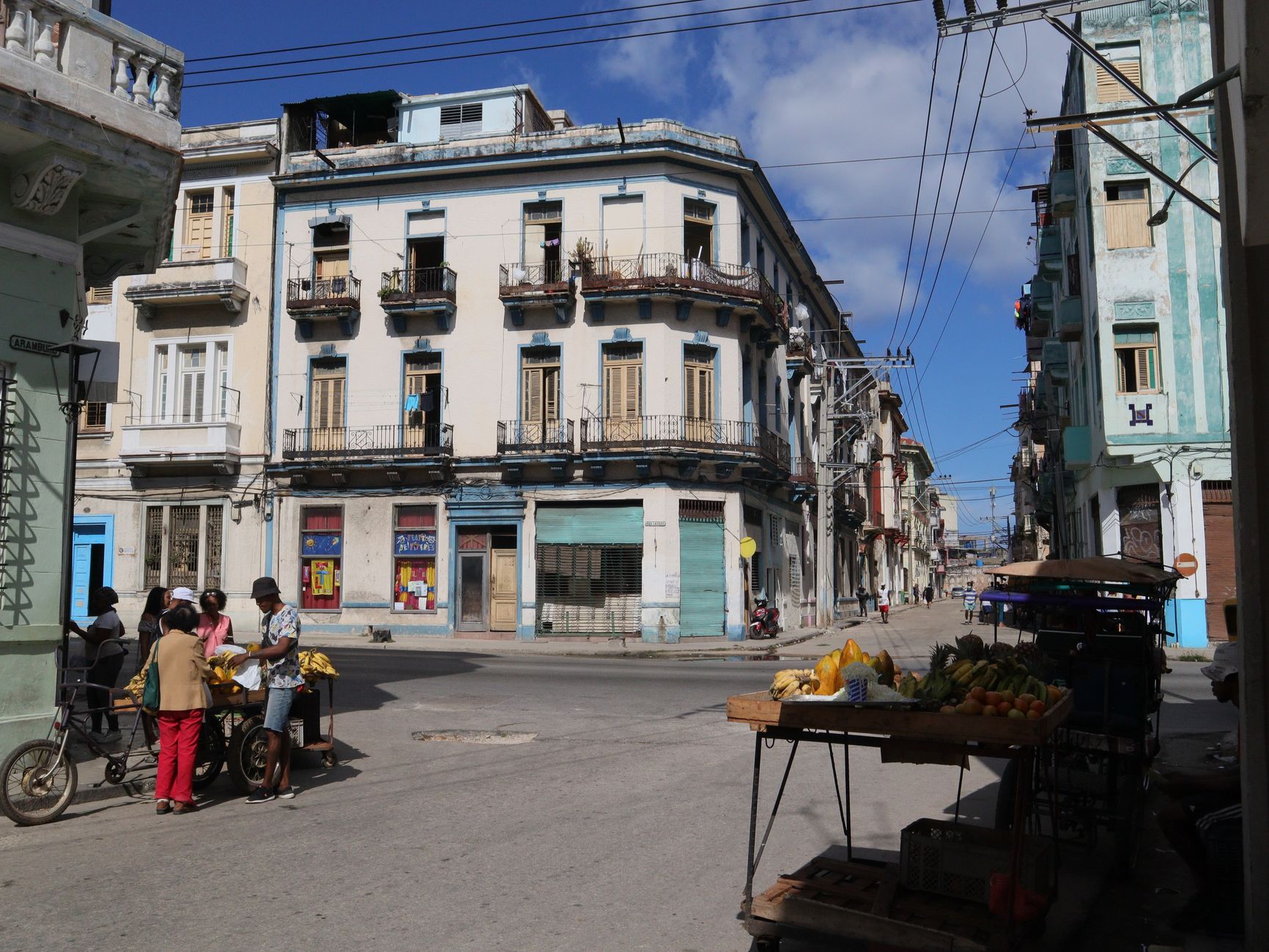
Kralendijk Market buzzes with activity in early mornings. Vendors sell fresh tropical fruits, vegetables, and fresh fish here. This is where locals shop and where food tastes most authentic. Visit between 7 AM and noon for best selection and lowest prices.
Fish cakes appear on street corners throughout the island. Vendors fry batches fresh and sell them from carts or small shops. These make perfect snacks between diving or beach time. A handful of fish cakes costs just a couple dollars.
Johnny's Ice Cream serves affordable treats in Kralendijk's center. Local flavors like coconut and passion fruit taste amazing. Ice cream here remains cheaper than tourist-oriented establishments. Lines form in late afternoons, especially on hot days.
Conch Stands operate seasonally near Lac Bay beach area. Vendors prepare fresh conch salad while you wait. The combination of fresh ocean air and fresh food is incomparable. Eat at wooden picnic tables right on the beach.
Fruit and Vegetable Vendors set up along main streets daily. Mangoes, papayas, and bananas arrive regularly from neighboring islands. Prices drop as closing time approaches in late afternoon. Purchase fresh fruits for snacks and breakfasts at accommodations.
Rotisserie Chicken Shops offer quick protein for budget meals. Whole chickens roast on spits throughout the day. Vendors serve chicken with rice and salad for very reasonable prices. These shops operate from mid-morning through evening.
PRO TIP: Bring reusable bags to Kralendijk Market to reduce plastic waste. Vendors appreciate environmentally conscious shoppers and may offer better prices. Shopping at markets connects you with local life in authentic ways.
Food Allergies and Dietary Needs
Bonaire's small restaurant scene makes advance planning essential for special diets. Call restaurants directly before visiting to discuss allergies or restrictions. Many chefs accommodate requests if given sufficient notice. Email hotels ahead of arrival with your dietary requirements.
Vegetarian and Vegan Options exist but require active searching. Most traditional Bonairian dishes center on fish or meat preparations. Modern restaurants increasingly offer plant-based options. Request vegetable-forward meals when making reservations.
Gluten-Free Dining presents challenges on a small island. Few restaurants stock dedicated gluten-free ingredients or preparation areas. Local bakeries focus on traditional bread products containing gluten. Pack gluten-free snacks from home to supplement local dining.
Seafood Allergies require careful navigation given Bonaire's fishing heritage. Fish appears in many unexpected dishes, from soups to stews. Always confirm ingredients before ordering. Ask if fish stock features in cooking methods for vegetables and rice.
Nut Allergies may be problematic due to coconut usage in local cuisine. Coconut milk features prominently in many traditional dishes. Some desserts and snacks contain nuts. Clearly communicate nut allergies when ordering anything unfamiliar.
Grocery Shopping for Special Diets works best at ACE supermarket. The selection is limited compared to mainland stores. Specialty items cost significantly more on Bonaire. Bring essential dietary products from home to avoid shortages.
Medication and Food Interactions warrant attention in tropical climates. Certain medications become less effective with heat exposure. Stay hydrated and follow medication instructions carefully. Ask your pharmacist about interactions with local foods before travel.
Frequently Asked Questions

What's the Best Time To Visit Bonaire for Food and Dining?
January through June represents the best dining season on Bonaire. During these months, all restaurants operate at full capacity with expanded menus. The dry season weather remains perfect for outdoor dining. Fresh ingredient availability peaks during these months as well. July through December sees reduced hours at some establishments as tourism slows. Many chefs take vacation time during the slower months. Plan your culinary adventures for the peak season window to experience Bonaire's full food scene at its best.
Do I Need To Tip at Restaurants in Bonaire?
Tipping practices in Bonaire follow North American conventions. Most restaurants expect 15 to 20 percent tips for good service. Some establishments include service charges automatically on bills. Check your receipt before adding extra tips. Informal spots and street vendors don't require tips but always appreciate them. Tipping in US dollars works everywhere on the island. Credit cards sometimes add tip lines, though cash tips remain common. Ask your hotel concierge about local tipping expectations for specific establishments.
What Languages Should I Speak at Restaurants?
English works well at most Bonaire restaurants frequented by tourists. Staff at established restaurants speak English fluently and patiently. Learning basic Papiamento phrases shows respect for local culture. Simple words like "thank you" (danki) enhance interactions. Younger restaurant staff speak English more reliably than older employees. Point to menu items if language barriers emerge. Menus often include English translations at tourist-oriented establishments. Don't hesitate to ask questions about dishes; restaurant staff enjoys explaining local cuisine.
Where Can I Find the Most Authentic Local Food?
Kralendijk Market delivers the most authentic local food experiences. Visit early morning when local families shop alongside tourists. Street vendors and snack bars serve traditional dishes exactly as locals eat them. Ask hotel staff where they personally eat for genuine recommendations. Avoid restaurants in tourist-heavy areas for most authentic preparations. Eat where you see local people gathering, not where tour buses park. Walk residential streets and you'll find family-run spots serving real Bonairian cuisine. These establishments rarely appear in guidebooks but offer unforgettable authentic experiences.
Are Restaurants in Bonaire Expensive?
Restaurant prices in Bonaire range from very affordable to moderately expensive. Street food and snack bars cost just a few dollars per meal. Mid-range restaurants average $15 to $30 per person. Fine dining establishments cost $40 to $80 per entrée typically. Prices cost less than comparable restaurants in North America and Europe. Seafood costs slightly more due to import requirements. Local produce remains affordable and reasonably priced. Alcohol prices reflect import costs and may seem high. Eating at markets and cooking in accommodations saves significant money on longer stays.