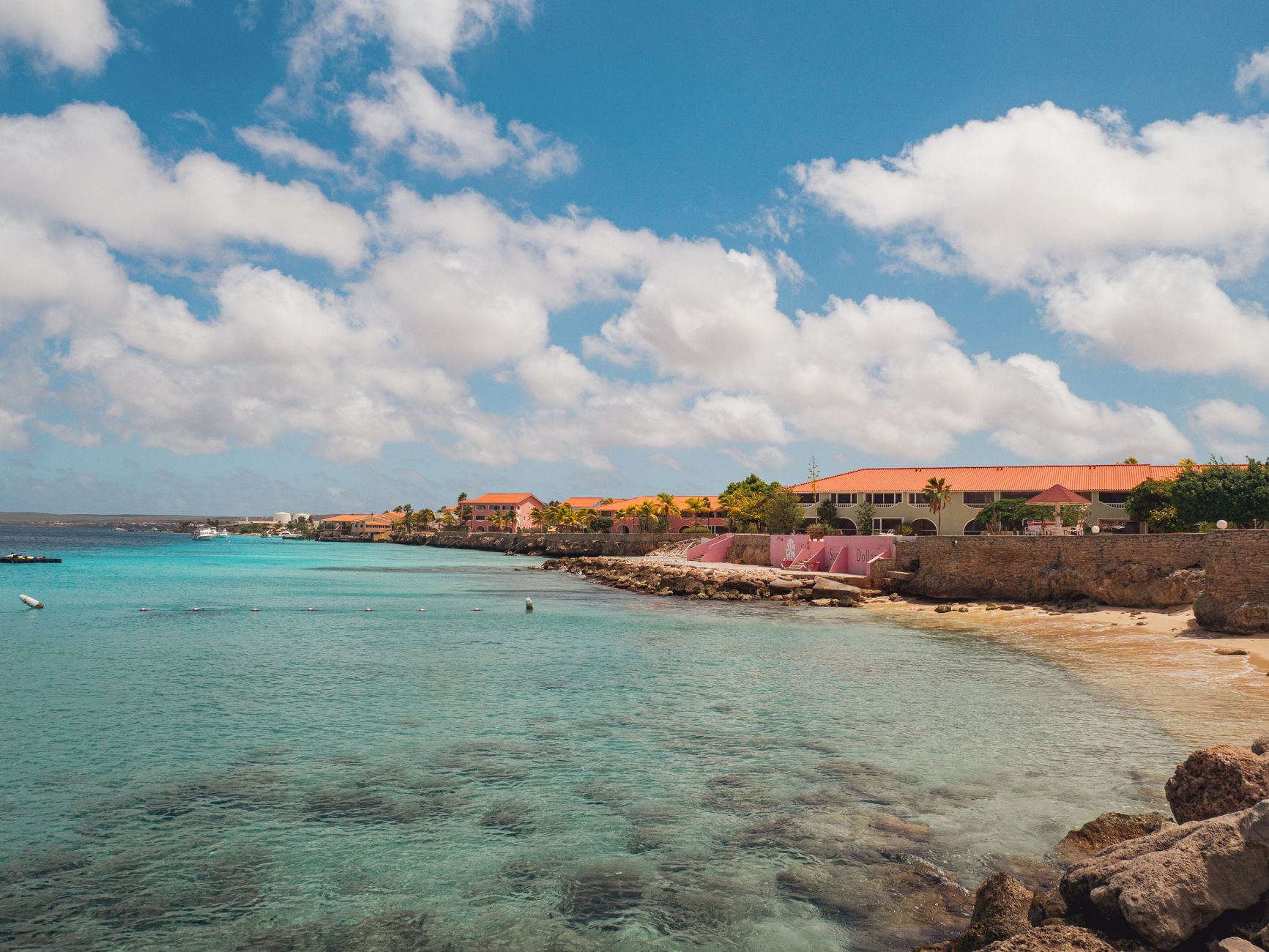
Local markets, shops and authentic experiences in Bonaire
Last updated:
Bonaire markets offer visitors authentic Caribbean shopping experiences. This island of 25,000 people welcomes travelers with vibrant local markets and unique shops. You'll find fresh produce, handmade crafts, and genuine souvenirs throughout Kralendijk. The capital city contains most major shopping areas and markets. Bonaire markets reflect the island's diverse culture and history. Local vendors sell everything from fresh fish to traditional artwork. Shopping here supports small businesses and local families directly. Many travelers skip major chain stores to shop at Bonaire markets instead. You'll discover items you won't find anywhere else. The experience connects you to island life in meaningful ways.
Best Markets in Bonaire
✓Best forBudget-conscious travelersfamiliescultural enthusiastsand visitors seeking authentic local experiences
Kralendijk Market stands as Bonaire's primary shopping destination for local goods. Located in the heart of the capital, this market pulses with daily activity. Vendors arrange stalls with fresh fruits, vegetables, and spices. You'll see local fishermen selling their morning catches. The market opens early, typically around 6 AM, when activity peaks. By mid-morning, many vendors have sold their best items. The atmosphere feels genuinely local, not touristy. You'll hear Papiamento spoken throughout the market. Prices here beat any other shopping location on the island.
The Fish Market operates separately within walking distance of Kralendijk Market. Local fishermen bring catches directly to this specialized market. You'll see snapper, grouper, and other Caribbean fish varieties. The market smells fresh and oceanic. Vendors clean fish on site if you request it. Many island food-restaurants source their seafood from this exact market. Visiting teaches you what locals eat daily. The market operates best in early morning hours.
Plaza di Bonaire hosts occasional vendor markets and craft fairs. This central gathering space brings together local artisans throughout the year. Special events occur during holiday seasons and cultural celebrations. Specific dates vary annually, so ask your hotel for current schedules. The plaza offers shaded shopping areas and water access. You'll find everything from jewelry to local art here.
PRO TIP:
Visit Kralendijk Market between 6 AM and 9 AM for the freshest selection and lowest prices. Most vendors have sold out or packed up by 11 AM. Bring cash only, as credit cards are not widely accepted at market stalls.
Local Food Markets in Bonaire
Local Food Markets in Bonaire
✓Best forFoodiesself-catering travelerscooking enthusiastsand budget travelers preparing their own meals
Fresh produce markets dominate the Bonaire shopping scene. Local farmers grow tropical fruits year-round on the island. You'll find mangoes, papayas, bananas, and passion fruit in abundance. Seasonal crops vary, offering different fruits during various months. Vegetable selections include local varieties and imported options. Prices for locally-grown items cost significantly less than imported goods. Most visitors don't realize how affordable fresh food becomes when shopping locally.
The main market in Kralendijk operates six days weekly. Sundays see reduced hours or complete closures at some stalls. Monday through Saturday brings the full vendor selection. Early morning shopping yields the freshest items. Afternoon visits might find picked-over selection but lighter crowds. You'll negotiate prices with some vendors, particularly if buying multiple items. Friendly haggling is normal and expected here.
Supermarkets offer climate-controlled shopping with familiar layouts. Cultimara and other local supermarkets stock both local and imported foods. Prices here run higher than markets but lower than resort restaurants. You'll find international brands alongside local products. These shops accept credit cards and cash. Supermarkets operate during standard retail hours, typically 7 AM to 7 PM daily.
Specialty food shops line the streets of Kralendijk. Bakeries sell fresh bread and pastries each morning. You'll find Dutch influences in available baked goods. Cheese shops carry European imports and local varieties. Fish shops sell fresh seafood daily. Spice vendors offer Caribbean blends and cooking ingredients. These smaller shops create the authentic local shopping experience.
Craft and Souvenir Shopping
✓Best forGift shoppersart collectorstravelers seeking authentic souvenirsand those supporting local artisans
Bonaire craft shops showcase local talent and Caribbean artistry. Hand-painted items appear throughout the island's shop windows. Local artists create paintings featuring island landscapes and sea life. Wooden crafts range from small decorative pieces to larger furniture items. Many pieces reference the island's famous scuba diving culture. You'll find items impossible to find elsewhere.
Art galleries in Kralendijk feature works by local and regional artists. Galerie Bonaire displays contemporary and traditional artwork. The gallery rotates exhibits showcasing different artists throughout the year. Prices range from affordable prints to significant original works. Many galleries sit near the waterfront in central Kralendijk. Gallery owners often discuss their artists' inspiration and techniques. Visiting galleries costs nothing and provides cultural insight.
Jewelry shops sell items made from local materials and designs. Sea-inspired jewelry features coral and shell-based designs. Some pieces incorporate Bonairean symbols and cultural motifs. Artisans craft items by hand in small workshops. Prices vary widely based on materials and craftsmanship. Supporting local jewelers ensures money stays within the community.
Textile and clothing shops offer island-inspired designs and patterns. Local designers create clothing featuring Bonairean artwork. You'll find traditional patterns adapted into modern styles. T-shirts, scarves, and bags display island themes and images. Prices seem reasonable compared to resort gift shops. Quality construction ensures souvenirs last for years.
PRO TIP:
Visit craft shops in the early morning or late afternoon to meet artisans working on their pieces. Many shops close between noon and 3 PM for siesta time. Ask vendors about the stories behind items—most craftspeople love sharing their inspiration.
Where To Buy Local Products
Where To Buy Local Products
✓Best forTravelers wanting authentic productspeople seeking direct vendor interactionand those wanting genuine island goods
Direct from artisans represents the best way to buy local products. Many craftspeople work from small home-based studios throughout the island. You can visit workshops and watch creators at work. This direct interaction ensures authenticity and supports makers fully. Ask your hotel concierge for artisan recommendations and directions. Some artisans prefer appointments, so calling ahead is wise. Purchasing directly often yields better prices than retail shops.
The Bonaire Tourism Bureau maintains lists of local vendors and artisans. Their office in Kralendijk provides current business information. Staff members offer personalized recommendations based on your interests. They know which shops specialize in specific products. The bureau also promotes community enterprises and cultural initiatives. Visiting the bureau takes minimal time but yields valuable information.
Beach vendors sell items to tourists but represent legitimate local businesses. You'll encounter people selling crafts, jewelry, and artwork along popular beaches. Prices here remain negotiable. Quality varies, so examine items carefully. Some vendors operate multiple days weekly from established beach locations. Tourist beaches near resorts attract more vendors than local beaches. Sunset Beach and other popular spots draw regular vendors.
Hotels and resorts host craft vendors during certain seasons. Many accommodations arrange vendor markets on property grounds. These events bring artisans directly to tourists. Shopping remains optional, but you'll see genuine local goods. Some visitors prefer this convenient option over seeking out shops independently. Ask your hotel about upcoming vendor events during your stay.
Online platforms now connect Bonaire artisans with international customers. Local craftspeople sell through social media and websites. You can order before arriving or shop remotely. Shipping costs apply but support authentic local businesses. Many artisans welcome direct contact through these channels. This option works well for those wanting items after returning home.
Shopping Hours and Tips
✓Best forAll travelers wanting to maximize shopping time and make informed purchasing decisions
Market hours vary by season and day of the week. Kralendijk Market operates best Monday through Saturday mornings. Early morning shopping from 6 AM to 9 AM yields peak selection. Afternoon visits see reduced vendors and picked-over items. Sunday shopping proves difficult, as many vendors rest. Some stalls open sporadically on Sundays. Plan market visits for weekday mornings whenever possible.
Retail shops maintain different hours than markets. Most shops open around 8 AM or 9 AM. Lunch closures between noon and 2 PM or 3 PM are common. Evening hours extend until 6 PM or 7 PM typically. Shops sometimes close on Sundays entirely. A few shops maintain limited Sunday hours during tourist season. Always confirm hours before planning specific shop visits.
Bring cash when shopping at markets and small vendors. US Dollars are the official currency of Bonaire. Many market stalls don't accept credit cards at all. Supermarkets and larger shops accept cards readily. ATMs exist in Kralendijk but charge fees. Withdrawing cash before market visits saves time and frustration. Small bills prove useful for making exact change.
Bring reusable bags or purchase bags at markets. Plastic bags cost extra at some vendors. Environmental consciousness means many stall operators encourage bag reuse. Sturdy bags work better for market shopping than flimsy ones. Sun protection matters when shopping outdoors. Hats, sunscreen, and water bottles are essentials. Morning shopping means less sun exposure than afternoon visits.
Learn basic Papiamento words to enhance shopping interactions. "Bon dia" means good morning. "Bon presu" means good price. "Dank u" means thank you. Local vendors appreciate language efforts from tourists. Speaking Papiamento sometimes results in better deals or warmer interactions. English works everywhere, but effort goes appreciated.
Negotiate respectfully at markets and with street vendors. Haggling is normal and expected at Kralendijk Market. Start by offering 80 percent of asking price. Work toward a mutually acceptable price through friendly discussion. Never pressure vendors into lower prices. Respect their livelihoods and final prices. Some vendors don't negotiate, so accept their decisions.
PRO TIP:
Shop on weekdays instead of weekends to avoid crowds and enjoy unhurried conversations with vendors. Bring a small notebook to collect artisan names and information. Many creators welcome repeat customers and custom orders if you show genuine interest in their work.
Sea salt from local salt ponds makes an excellent edible souvenir. Bonaire's salt harvest dates back centuries and remains an important tradition. Local salt carries the island's mineral profile and flavor. You'll find salt packaged in decorative containers. Price points range from budget-friendly to premium options. Salt brings the taste of Bonaire home easily. Food restrictions don't apply to salt purchases.
Hot sauces and Caribbean spice blends capture island flavors. Local producers blend peppers and spices into unique combinations. Labels feature island artwork and cultural designs. Sauces range from mild to intensely hot varieties. These items travel well and suit most diets. Gift recipients often appreciate authentic Caribbean flavors. Spice blends add flavor to any kitchen.
Dive-themed souvenirs appeal to the island's scuba diving culture. You'll find underwater-inspired artwork and jewelry throughout shops. Dive logbooks and accessories make practical gifts. Coral-safe jewelry alternatives exist for environmentally conscious shoppers. The diving community values these themed items. Bonaire's exceptional dive sites inspire much of the artwork sold.
Goat cheese and local dairy products offer unique gifts. Small-scale producers create artisanal cheeses from local goats. Flavored varieties include herbs and spices. These perishable items require coolers but travel home well. Cheese travels better than fresh produce. Food-loving recipients appreciate these authentic products. Check import regulations before purchasing dairy items.
Hand-woven baskets and textiles showcase traditional craftsmanship. Local weavers create items using natural materials and traditional techniques. Baskets serve functional and decorative purposes. Textile items include wall hangings and decorative pieces. These items support artisans directly. Colors and patterns reflect Caribbean aesthetics. Quality construction ensures items last for years.
Music and cultural recordings feature Bonairean artists and traditions. Local CDs showcase traditional music and contemporary island artists. These items spark memories of island sounds. Prices remain reasonable. Digital downloads work for those wanting to minimize luggage. Supporting local musicians through purchases benefits the community.
Frequently Asked Questions
Is It Safe To Shop at Bonaire Markets?
Yes, Bonaire markets are safe for tourists and locals alike. Petty theft occurs rarely at markets compared to other Caribbean islands. Keep valuables secure and maintain normal vigilance as you would anywhere. The vendor community looks after market safety actively. Crowds during peak hours mean extra eyes on the area. Most visitors shop comfortably without incident. Early morning shopping when crowds are smaller feels even safer. Trust your instincts about specific areas or vendors as with any destination.
What Payment Methods Work Best for Shopping in Bonaire?
Cash in US Dollars remains the best payment method for market shopping. Most market stalls and small vendors accept only cash. Larger supermarkets and retail shops accept credit cards readily. ATMs exist in Kralendijk but charge withdrawal fees. Avoid currency exchange services with poor rates. Bring plenty of small bills for making exact change at markets. Credit cards work at hotels, restaurants, and established businesses easily. Combining small cash amounts with cards works best for complete trips.
When Should I Visit Bonaire Markets for the Best Selection?
Visit Bonaire markets early in the morning, between 6 AM and 9 AM, for optimal selection. Monday through Saturday mornings offer the freshest products and most vendors. Afternoon visits reveal picked-over selections as vendors sell out. Sunday shopping proves difficult, as many vendors close or reduce hours. Peak tourist season from January through March brings more vendors. Weekday mornings provide better experience than crowded weekends. Arriving at opening time means first choice of all available items and lower prices.
Are Prices Negotiable at Bonaire Markets?
Yes, negotiation is normal and expected at Bonaire markets, especially with individual vendors. Start by offering about 80 percent of the asking price. Work toward a mutually agreeable price through friendly discussion. Respect vendor decisions if they refuse to lower prices. Supermarkets and established retail shops have fixed prices. Street vendors near tourist areas often negotiate prices. Being respectful and friendly yields better deals than aggressive haggling. Purchases of multiple items sometimes result in better overall pricing from vendors.
What Should I Avoid Buying As Souvenirs From Bonaire?
Avoid purchasing items made from endangered sea creatures or coral products. Many beautiful items use turtle shell, sea turtle products, or harvested coral. These purchases harm marine ecosystems and violate international laws. Check import regulations for your home country before buying any animal products. Handmade items from sustainable materials make better ethical choices. Support artisans creating environmentally responsible products instead. Many shops sell beautiful alternatives that don't harm the island's marine environment, which makes Bonaire famous for diving.