Last updated:
Welcome To Bonaire Vacation Planning
Bonaire offers world-class diving and relaxation without the crowds. This island in the ABC Islands attracts divers, beach lovers, and families seeking adventure. Bonaire vacation planning becomes easy when you know what to expect. You'll discover pristine beaches, incredible marine life, and friendly locals. The island measures just 288 square kilometers but packs endless activities.
Most visitors arrive at Flamingo International Airport. The island's population of 25,000 keeps things manageable and authentic. You can navigate Bonaire easily using English, though learning a few Papiamento phrases helps. The US dollar is the currency, simplifying financial transactions. Weather stays warm year-round, averaging 28.3°C. Pack accordingly and plan your Bonaire vacation during the dry season for best conditions.
How Many Days Do You Need in Bonaire
Three days gives you a solid introduction to Bonaire. You can explore the main beaches, try shore diving, and relax. Most visitors find three days adequate for their first trip. However, four to five days lets you experience more depth. You'll complete multiple dive sites and explore different regions of the island.
Seven days represents the sweet spot for most travelers. This timeframe allows full relaxation and exploration. You can complete advanced diving certifications if interested. You'll visit multiple beaches and sample local food-restaurants. Seven days lets couples enjoy romance while families bond through activities. Budget travelers appreciate the slower pace that reduces impulse spending.
Ten days or longer suits serious divers and nature enthusiasts. You can explore every significant dive site and beach. You'll connect deeply with local culture and discover hidden spots. Extended stays work well for families renting villas or homes. The slower pace reduces stress and increases satisfaction.
PRO TIP: Most travelers spend 5 to 7 days in Bonaire. Shorter trips miss the island's deeper charm. Longer trips help you save money through weekly accommodation discounts.
7-Day Bonaire Itinerary
Days 1 and 2: Arrival and South Beach Exploration
Land at Flamingo International Airport and collect your rental car. Drive to Kralendijk, the capital and main town. Check into your accommodation and rest. Spend day one exploring the waterfront and local restaurants. Try a fresh conch salad at a beachfront vendor. Visit the Bonaire National Marine Park headquarters to understand conservation efforts.
On day two, drive south to Sorobon Beach. This calm lagoon is perfect for first-time snorkelers and families. Wade into shallow waters and see colorful fish immediately. Bring reef-safe sunscreen. Eat lunch at a local warung (small restaurant) serving Indonesian food. Return to town and watch the sunset from Dikili Casita or a waterfront bar.
Days 3 and 4: Diving Adventures and East Coast
Complete a dive or snorkel at Klein Bonaire on day three. This island sits just offshore and features pristine reefs. You'll see sea turtles, rays, and massive coral formations. Book your trip through local dive operators in Kralendijk. Return to shore tired but satisfied. Eat fresh fish at Bistro des Amis for dinner.
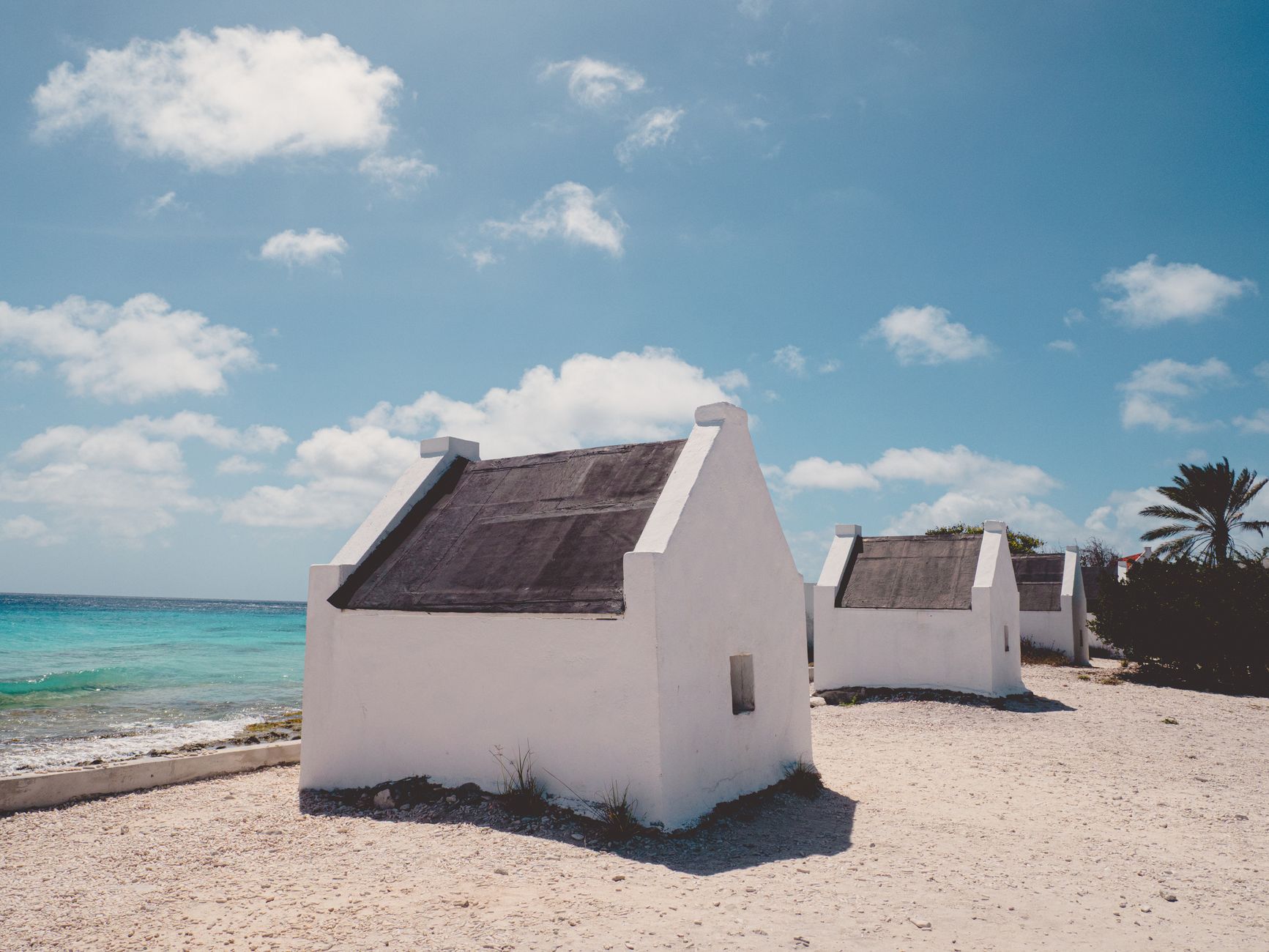
Day four takes you north along the east coast. Stop at Goto Meer, a salt lake where flamingos gather. Visit the Slave Huts, historic structures honoring enslaved workers. These stone dwellings at Rincon tell important history. Eat lunch in Rincon village and chat with locals. Explore Bonaire National Marine Park's northern dive sites in the afternoon.
Days 5, 6, and 7: Beach Time and Local Experiences
Day five focuses on relaxation. Choose Pink Beach for its unique coral sand or Thousand Steps Beach for snorkeling. Bring plenty of water and a book. Enjoy the quiet rhythm of island life. Many visitors simply swim and read on day five. This pacing prevents burnout and allows real rest.
Day six includes a visit to Washington Slagbaai National Park. This protected area covers 5,600 hectares of rugged coastline. Hike scenic trails and spot wild goats and iguanas. Bring water and wear hiking boots. The views justify the effort. End with a casual dinner at a waterfront restaurant discussing your week.
Day seven is your departure day. Morning swims or a quick beach visit work well. Collect souvenirs at local shops. Try local cheese at a market before heading to the airport. Reflect on your week as you leave the island feeling restored.
PRO TIP: Book dive sites and water excursions in advance during peak season (January to April). Rent a car for maximum flexibility exploring the island independently.
3-Day Bonaire Itinerary
Day 1: Arrival and Town Exploration
Arrive at Flamingo International Airport and rent a car. Head directly to your accommodation. Spend your first afternoon exploring Kralendijk's waterfront. Visit local restaurants and shops along the harbor. Eat dinner at an oceanfront establishment. Try local specialties like fresh fish or seafood stew. Rest early as you adjust to the tropical environment.
Day 2: Snorkeling and Beach Time
Wake early and head to a nearby beach for snorkeling. Sorobon Beach or Pink Beach work perfectly for this day. Bring reef-safe sunscreen and your own snorkel gear if possible. Swim and explore marine life in shallow waters. Eat lunch at a beachside restaurant. Spend the afternoon relaxing, reading, or swimming more. Watch the sunset from your beach location.
Day 3: Diving or Final Beach Visit
Complete a short dive or snorkel excursion if you're certified. Visit Klein Bonaire or a nearby reef. Alternatively, explore a different beach on day three. Visit Thousand Steps Beach or North Beach. Enjoy a final local meal and purchase last-minute souvenirs. Head to the airport with happy memories and relaxed energy.
Bonaire Travel Budget Guide
Accommodation Costs
Budget hotels and guesthouses run 60 to 100 USD per night. Mid-range hotels charge 100 to 200 USD nightly. Upscale resorts cost 200 to 400 USD or more. Vacation rentals and villas offer flexibility for families or groups. Booking directly through owners saves money versus platforms. Consider staying outside Kralendijk for lower rates.
Food and Dining Expenses
Street food and casual spots cost 5 to 15 USD per meal. Mid-range restaurants charge 15 to 30 USD. Fine dining establishments range from 30 to 60 USD. Grocery stores exist in Kralendijk for self-catering options. Buying groceries cuts food costs significantly for families. Fresh fish from local markets is affordable and delicious.
Activities and Tours
Beach visits and swimming are free. Snorkeling costs 40 to 80 USD through tour operators. Single tank dives range from 60 to 100 USD. Multi-day dive packages offer better value per dive. Visiting Goto Meer or hiking costs 5 to 15 USD. Klein Bonaire boat trips cost 40 to 60 USD.
Transportation
Car rentals start at 40 USD daily. Jeep rentals cost 50 to 75 USD per day. Taxis operate without meters, so agree on prices beforehand. Airport transfers cost 20 to 30 USD. Filling a gas tank costs 40 to 50 USD. Walking works for Kralendijk's small downtown area.
Daily Budget Estimates
Budget travelers spend 80 to 150 USD daily including accommodation. Mid-range travelers spend 150 to 300 USD daily. Luxury travelers spend 300 USD or more daily. Family travel costs less per person with shared accommodation. All-inclusive packages sometimes offer better value for families.
PRO TIP: Travel during May or June for lower prices and fewer crowds. Book accommodation and major activities in advance for discounts. Many restaurants offer specials during low season.
Best Time To Book Your Bonaire Trip

Peak Season Booking
Peak season runs January through April. Book accommodations four to six months in advance. December holidays require even earlier bookings. Expect higher prices but excellent weather and fewer rain days. The trade-off includes larger crowds and busier beaches. Couples seeking quiet time should consider alternative months.
Shoulder Season Booking
Shoulder seasons are May, June, September, and November. Book these months two to three months ahead. Prices drop significantly compared to peak season. Weather remains good, though occasional rain occurs. You'll enjoy fewer tourists and better restaurant availability. September and November have slightly higher hurricane risk, though Bonaire rarely experiences direct hits.
Low Season Booking
Low season includes July, August, and October. These months see the most rain and highest hurricane season risk. Book just one to two months ahead for best deals. Prices drop substantially, sometimes 40 percent below peak rates. Families enjoy smaller crowds and availability everywhere. Most days still offer sunshine and swimming opportunities.
Last-Minute Bookings
Last-minute travelers find deals two weeks before travel. Hotels discount unsold rooms aggressively. You'll need flexibility regarding accommodation type and activities. Travel during low season months for maximum savings. Peak season rarely offers last-minute deals. This strategy works best for budget travelers and those with flexible schedules.
Packing List for Bonaire
Beach and Water Gear
- Reef-safe sunscreen (SPF 30 or higher)
- Snorkel mask, fins, and snorkel tube
- Rash guard or swim shirt for sun protection
- Beach towels (two or three)
- Water shoes for rocky shores
- Underwater camera if desired
- Waterproof bag for electronics
- Light cover-up for sun protection
Clothing
- Lightweight, breathable clothing for hot weather
- Shorts and t-shirts (five to seven sets)
- Light dresses or casual pants
- One nicer outfit for restaurants
- Casual shoes and flip-flops
- Light jacket or cardigan for air conditioning
- Hat or visor for sun protection
- Undergarments and socks for flight
Health and Personal Care
- Prescription medications (in original containers)
- Pain relievers and anti-inflammatory medication
- Antihistamines for allergies
- Anti-diarrhea medication
- Seasickness medication if prone to motion sickness
- Personal hygiene items (deodorant, feminine products)
- Insect repellent containing DEET
- Aloe vera gel for sunburn relief
Documents and Essentials
- Valid passport (check expiration date)
- Travel insurance documents
- Flight confirmations and hotel reservations
- Credit cards and small amount of cash
- Driver's license for car rentals
- Phone charger and adapter if needed
- Travel copies of important documents
- Emergency contact information
Optional Items
- E-reader or books for beach reading
- Binoculars for bird watching
- Dive certification card if certified
- Snorkel vest or buoyancy aid
- Reusable water bottle
- Small backpack for day trips
PRO TIP: Pack light and use a carry-on bag if possible. Bonaire's shops carry most forgotten items. Buy reef-safe sunscreen before arriving as it costs more on the island. Bring medications in original containers to avoid customs issues.
Bonaire Vacation Planning for Families

Families find Bonaire exceptionally welcoming and safe. The calm beaches and shallow waters suit young children perfectly. Sorobon Beach and Pink Beach provide protected swimming areas. Most restaurants welcome families and adjust portions for kids. Locals are patient and kind to traveling families.
Plan activities that include everyone. Snorkeling works for ages four and up with proper supervision. Hire local snorkel guides who understand child safety. Washington Slagbaai National Park offers easy family hikes. Bring plenty of water and snacks for younger children. Visit Goto Meer early in the morning for flamingo viewing. Many families rent villas with kitchens to save money on meals.
Bonaire Vacation Planning for Couples
Couples enjoy romantic sunsets and intimate dining experiences. Waterfront restaurants serve fresh seafood perfect for celebrations. Sunset walks along Sorobon Beach create lasting memories. Book couples' massage services through hotels. Some resorts offer special packages for honeymoons and anniversaries. Quieter beaches north of Rincon provide privacy and seclusion.
Schedule alone time away from busier tourist areas. Many couples enjoy diving together as a bonding activity. Evening strolls through Kralendijk's harbor feel romantic and charming. Plan one special dinner at an upscale restaurant. Book private sunset beach time through local arrangers. Visit Klein Bonaire for a private snorkeling experience away from crowds.
Bonaire Vacation Planning for Budget Travelers
Budget travelers can explore Bonaire affordably with smart planning. Travel during May, June, or September for lowest prices. Book accommodations outside Kralendijk for better rates. Eat at local warungs and street food vendors instead of tourist restaurants. Cook some meals in vacation rentals with kitchens. Take advantage of free beach activities and walks.
Join group snorkel tours rather than private operators. Purchase groceries at local markets for picnic lunches. Visit beaches and parks without paid entry fees. Use taxis for airport transfers rather than rental cars if staying in town. Borrow or rent snorkel gear from guesthouses. Connect with other travelers at hostels for group discounts on activities.
First-Time Visitor Tips for Bonaire Vacation Planning
First-time visitors should rent a car for maximum independence. This lets you explore at your own pace. Familiarize yourself with major towns: Kralendijk, Rincon, and Antriol. Understand that the island has limited nightlife compared to larger Caribbean destinations. This is intentional and keeps Bonaire peaceful and authentic.
Learn basic Papiamento greetings to show respect. English-speaking locals will appreciate your effort. Understand that most shops close between 12 and 2 PM for lunch. Plan activities around local schedule. Know that Bonaire is not all-inclusive focused like other Caribbean islands. This means more authentic experiences with local restaurants and businesses.
Expect simple island living rather than luxury resorts. Bonaire attracts experienced travelers seeking genuine experiences. The beaches are not white sand but feature coral and rock. Bonaire's underwater world justifies the island's reputation. Most visitors leave enchanted by the authentic Caribbean experience. Plan your Bonaire vacation expecting adventure and relaxation in equal measure.
Frequently Asked Questions

Do I Need a Visa To Visit Bonaire?
No, most nationalities do not need a visa for Bonaire. The island follows Caribbean Netherlands entry policy. Check specific requirements for your country before traveling. Citizens of most countries receive 90 days visa free. You'll need a valid passport with at least six months validity remaining. Return tickets and proof of accommodation may be required at immigration. Contact your local Dutch embassy for country-specific requirements to ensure smooth entry.
What Is the Best Month To Visit Bonaire?
April and May are ideal for Bonaire travel. These months have low rainfall and fewer tourists. Prices drop significantly compared to January through March. Water visibility remains excellent for diving and snorkeling. Temperatures are comfortable at 28.3°C without excessive humidity. June offers even better deals as wet season approaches, though most days stay dry. Avoid September through November due to increased hurricane risk, though direct hits are rare.
How Much Does a Bonaire Vacation Cost?
Budget travelers spend 80 to 150 USD daily including accommodation. Mid-range travelers average 150 to 300 USD daily. Luxury travel costs 300 USD or more daily. A week-long trip for a couple costs 1,100 to 2,100 USD minimum. Family costs vary greatly based on accommodation and activity choices. All-inclusive packages sometimes offer better value. Traveling during low season reduces overall costs substantially compared to peak months.
Is Bonaire Safe for Tourists?
Bonaire is one of the Caribbean's safest destinations. Violent crime against tourists is extremely rare. Petty theft occurs occasionally in busy areas, so watch valuables. Use standard travel safety practices like avoiding isolated areas at night. The island has a strong police presence and local community watches. Tourists generally feel safe throughout the island. Families travel confidently with normal precautions. The friendly local population welcomes visitors warmly and protects the island's reputation.
What Are the Top Activities in Bonaire?
Scuba diving and snorkeling top the activity list. Shore diving from your hotel is possible at many locations. Swimming and sunbathing on numerous beaches fill relaxation days. Visiting Klein Bonaire for pristine reefs delights nature lovers. Exploring Washington Slagbaai National Park offers hiking and wildlife viewing. Touring Rincon village and Slave Huts provides cultural education. Fishing trips and boat tours cater to adventurous travelers. Beach bars and waterfront dining provide evening entertainment and social connection.